
Animating Therapeutic Macrocyclic Peptide Discovery Platform
Animating Therapeutic Macrocyclic Peptide Discovery Platform
Client:

NHRF conducts high-quality scientific research with the aim of contributing to scientific and technological progress. Through research activities at various Institutes, the NHRF seeks to develop and apply innovative solutions in critical fields of biology, chemistry, and physics, such as health, energy, materials, and biotechnology.
NHRF conducts high-quality scientific research with the aim of contributing to scientific and technological progress. Through research activities at various Institutes, the NHRF seeks to develop and apply innovative solutions in critical fields of biology, chemistry, and physics, such as health, energy, materials, and biotechnology.
Client:


Project Goal
Project Goal
Project Goal
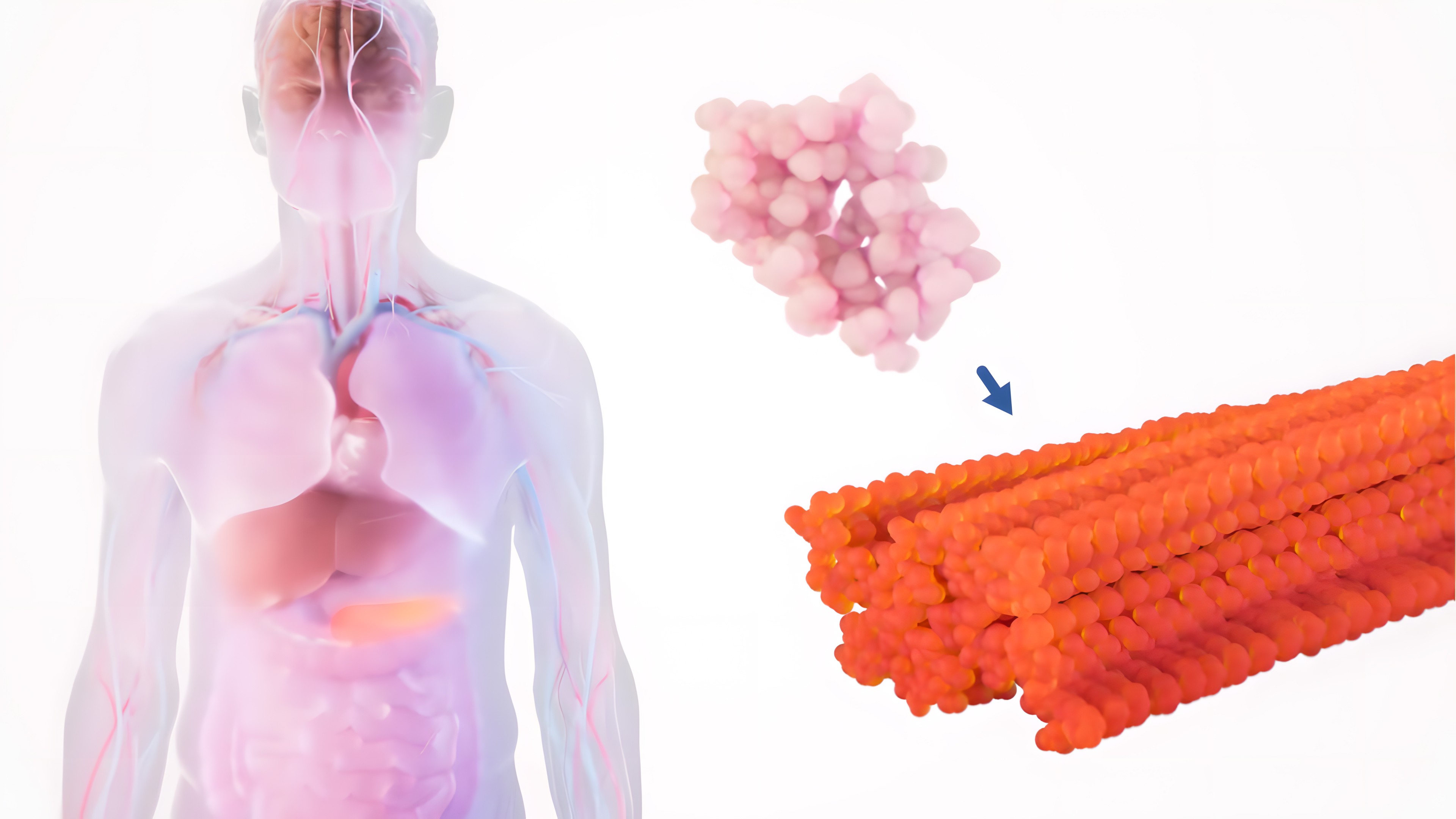
The objective of this project and its accompanying animation is to depict the innovative research sponsored by the NHRF and conducted by the research group of Georgios Skretas at the Institute for Bioinnovation. This group is developing a bacterial platform for the discovery and screening of therapeutic macrocyclic peptides (macrocycles) for the potential treatment of protein aggregation–related diseases, including Parkinson’s disease, Alzheimer’s disease, and diabetes.
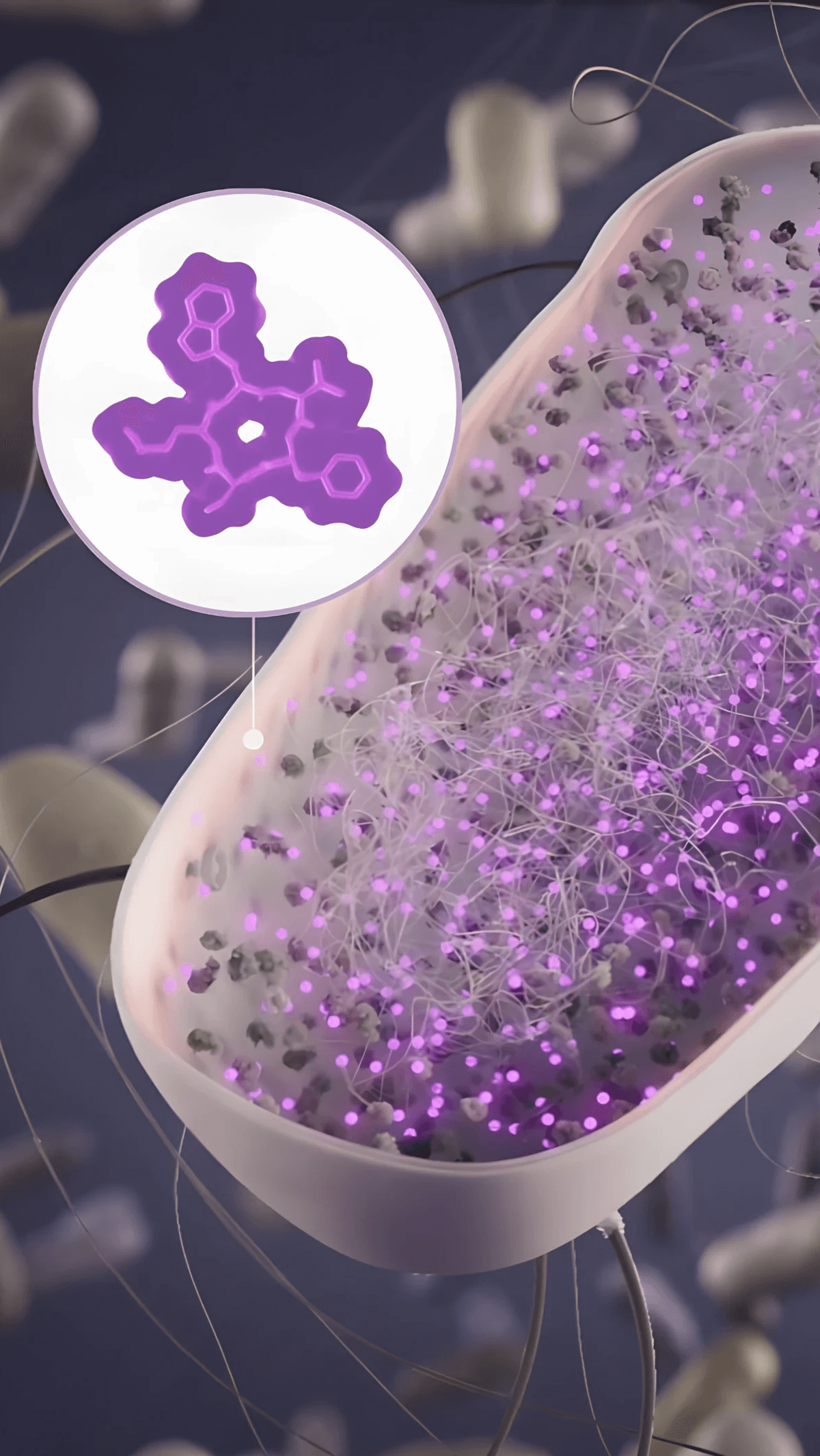
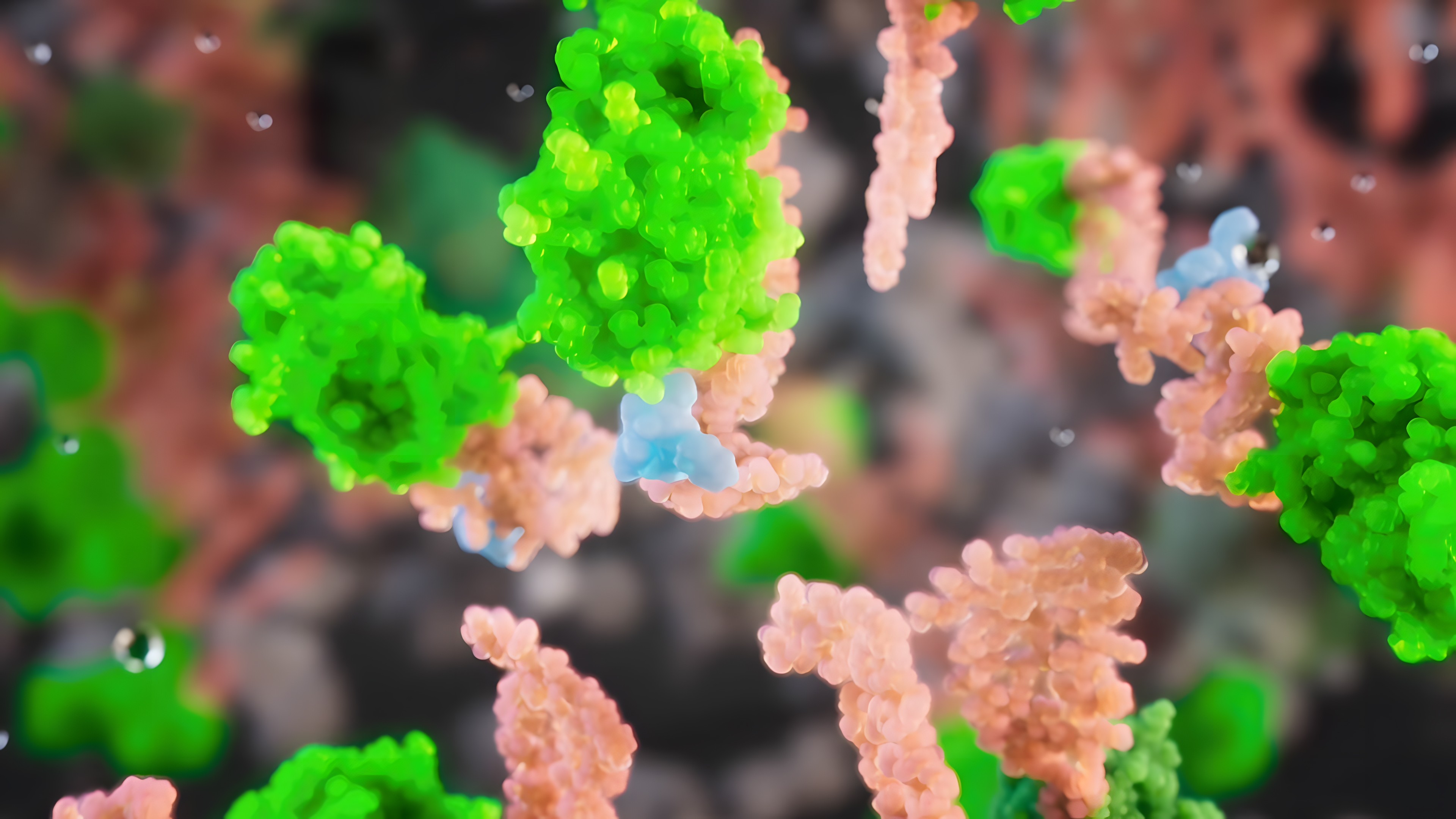
This approach involves the creation of bacterial libraries in which each bacterium synthesizes a distinct macrocycle that promotes the formation of specific protein aggregates. By systematically evaluating these aggregates, researchers can identify macrocycles that effectively inhibit pathological protein misfolding and aggregation—hallmarks of neurodegenerative and metabolic disorders. Promising candidates emerging from this process undergo further validation and testing as potential drug therapies, contributing to advances in disease prediction and treatment.
See full animation.
The objective of this project and its accompanying animation is to depict the innovative research sponsored by the NHRF and conducted by the research group of Georgios Skretas at the Institute for Bioinnovation. This group is developing a bacterial platform for the discovery and screening of therapeutic macrocyclic peptides (macrocycles) for the potential treatment of protein aggregation–related diseases, including Parkinson’s disease, Alzheimer’s disease, and diabetes.
This approach involves the creation of bacterial libraries in which each bacterium synthesizes a distinct macrocycle that promotes the formation of specific protein aggregates. By systematically evaluating these aggregates, researchers can identify macrocycles that effectively inhibit pathological protein misfolding and aggregation—hallmarks of neurodegenerative and metabolic disorders. Promising candidates emerging from this process undergo further validation and testing as potential drug therapies, contributing to advances in disease prediction and treatment.
See full animation.
The objective of this project and its accompanying animation is to depict the innovative research sponsored by the NHRF and conducted by the research group of Georgios Skretas at the Institute for Bioinnovation. This group is developing a bacterial platform for the discovery and screening of therapeutic macrocyclic peptides (macrocycles) for the potential treatment of protein aggregation–related diseases, including Parkinson’s disease, Alzheimer’s disease, and diabetes.
This approach involves the creation of bacterial libraries in which each bacterium synthesizes a distinct macrocycle that promotes the formation of specific protein aggregates. By systematically evaluating these aggregates, researchers can identify macrocycles that effectively inhibit pathological protein misfolding and aggregation—hallmarks of neurodegenerative and metabolic disorders. Promising candidates emerging from this process undergo further validation and testing as potential drug therapies, contributing to advances in disease prediction and treatment.
See full animation.
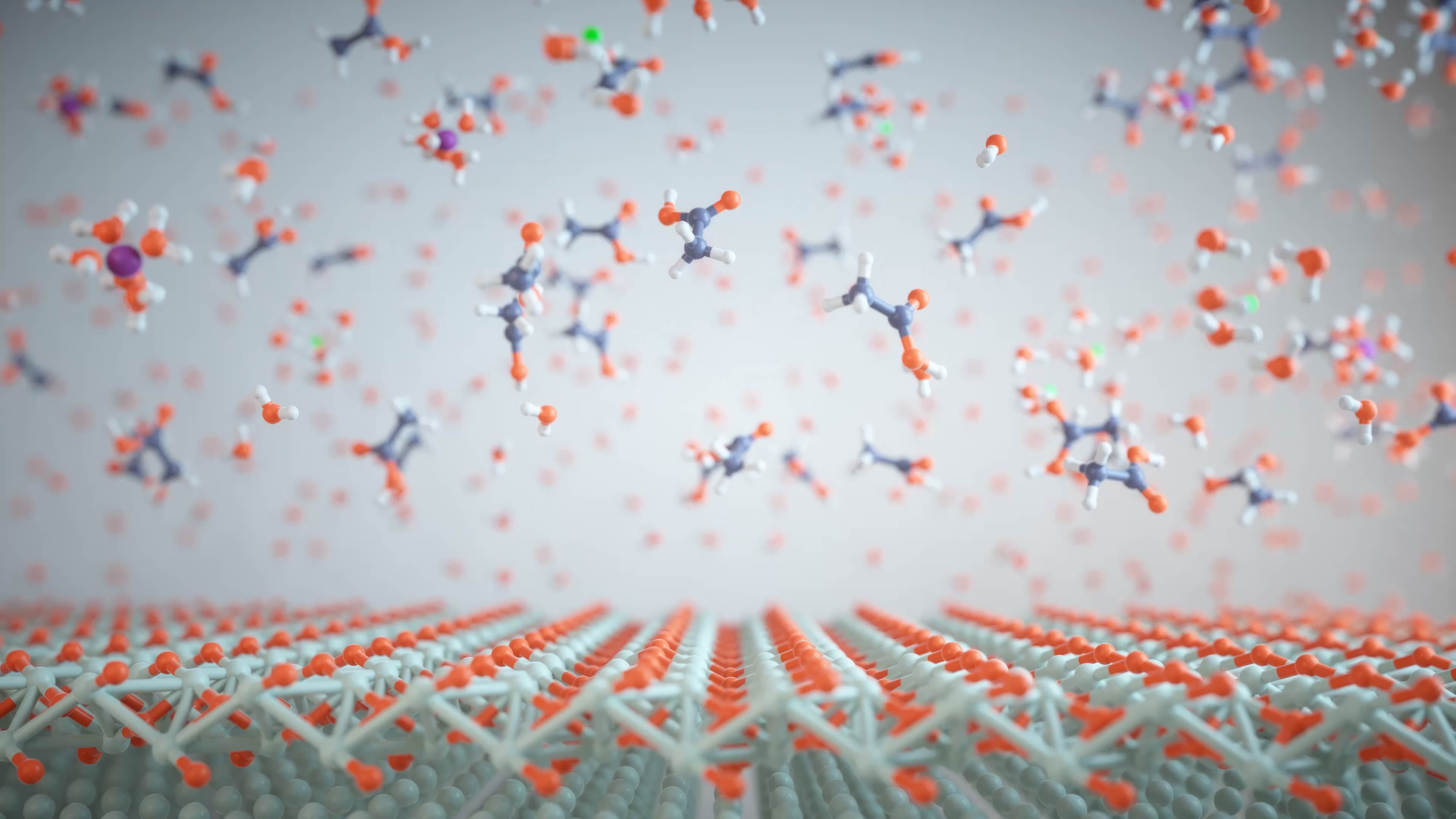
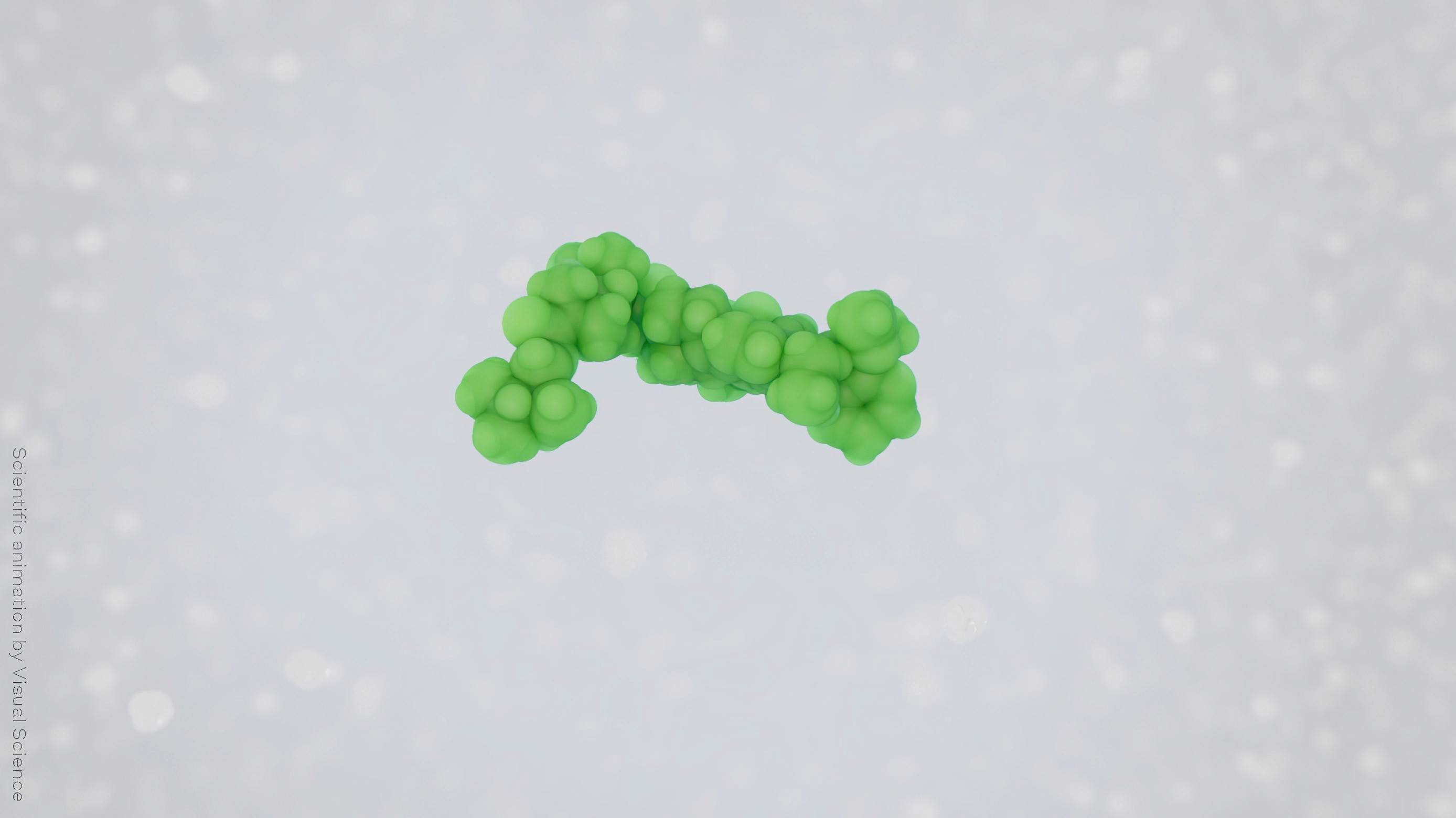
Visualization of the normally folded and misfolded proteins
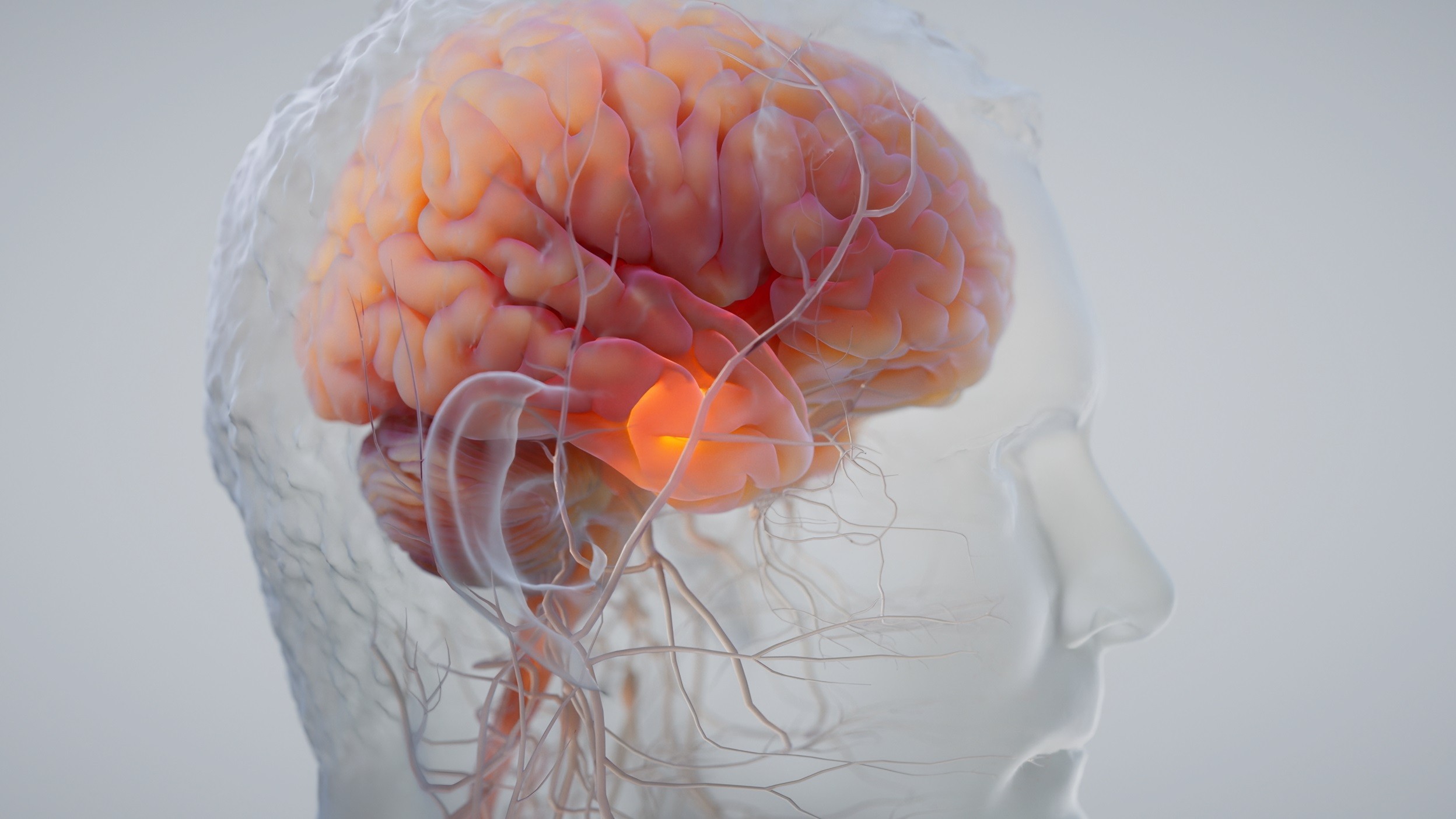
Human brain and nervous system
Bacteria producing macrocyclic peptides
Bacteria producing macrocyclic peptides
“Great animations and fast turnaround - Highly recommended!”
“Great animations and fast turnaround - Highly recommended!”
“Great animations and fast turnaround - Highly recommended!”

Engineered bacteria fix misfolded proteins
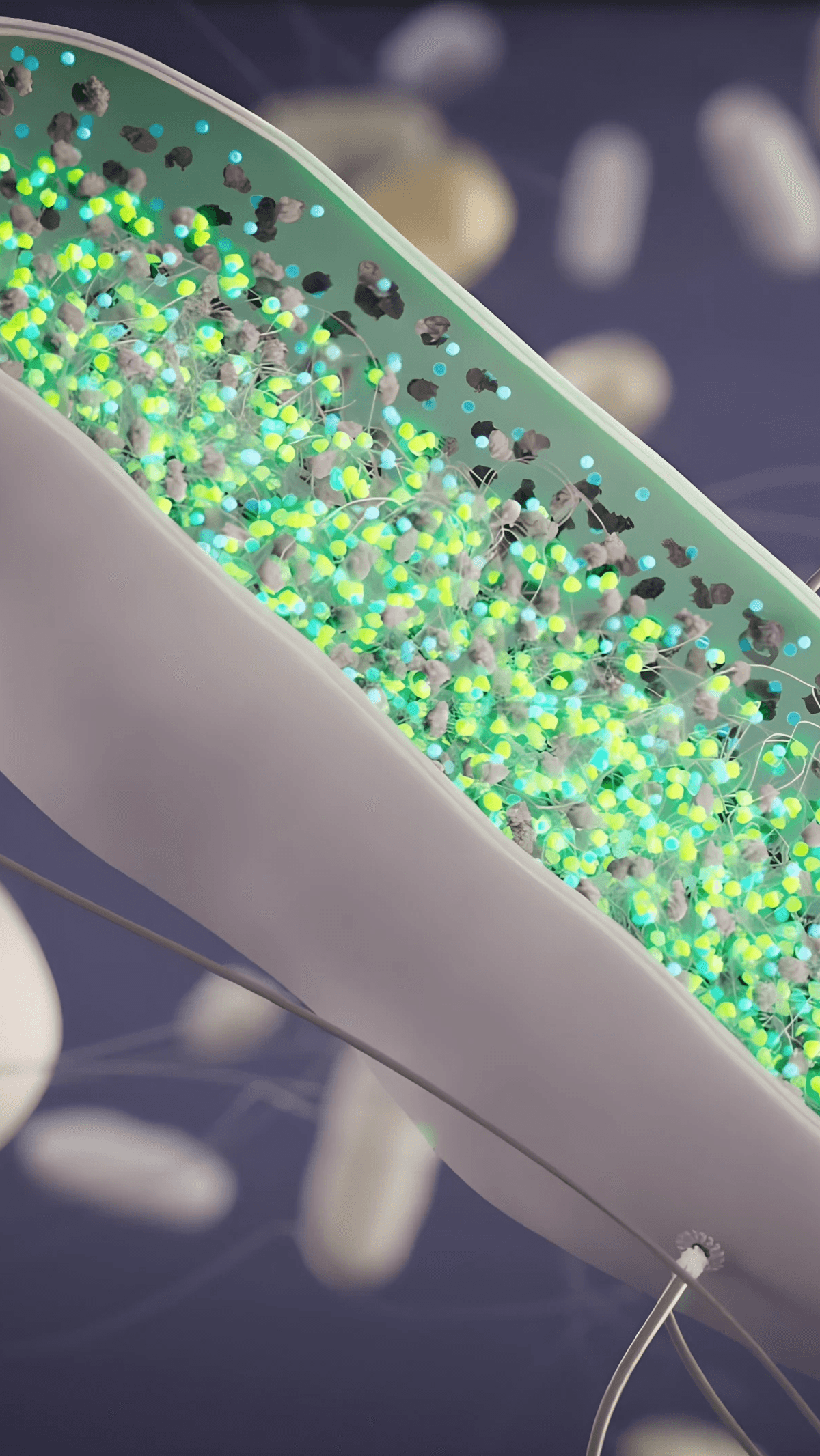
Identified Florescent Microbes
Flow Cytometric Cell Sorting
Flow Cytometric Cell Sorting
Flow Cytometric Cell Sorting
The Process
The Process
The Process
Animation type:
High-End 3D
Project timline:
7 weeks
Review:
3 zoom calls + 4 e-mail feedback sessions
Find out which of our 26 scientific animation options works best for investor relations and communications:
The animation was developed under budget constraints and a tight production timeline, requiring a cost-effective yet scientifically precise approach suitable for both academic collaborators and industry partners. To achieve this, we used high-end 3D for key molecular scenes, depicting detailed aggregates and their disintegration, with GFP proteins luminescing to highlight bacterial identification.
DECK 3D provided high visual quality and was partially based on static renders to optimize production efficiency. A semi-static 3D animation approach helped maintain scientific accuracy while remaining within budget. In addition, flow cytometric cell-sorting visualizations were incorporated to clarify the processes of selection and isolation.
Semi-Static 3D for Cost Efficiency: Instead of fully dynamic molecular animation, the core scientific visuals were created as high-fidelity, scientifically accurate static 3D renderings. Key molecular structures and cellular environments were modeled in detail but remained largely static.
Layered 2D Motion Elements: To enhance storytelling, subtle 2D animations, overlays, and informational callouts were added to highlight molecular interactions and guide viewers through the scientific process. This hybrid approach enabled a compelling narrative while optimizing production time and cost.
High-Precision Molecular Modeling for Key Scenes: While the broader visualization relied on a semi-static 3D approach, select molecular interactions were developed with detailed molecular animation and simulations, ensuring that critical scientific aspects were captured with high accuracy.
This cost-conscious strategy made it possible to deliver an animation that met rigorous scientific standards while remaining within the budgetary and time constraints of an early-stage research initiative.
Why did we use this
animation type?
Why did we use this
animation type?
By leveraging a combination of high-end 3D and DECK 3D, we ensured that the animation was both visually compelling and scientifically precise. High-end 3D brought molecular interactions to life through detailed modeling, while DECK 3D optimized rendering costs without sacrificing clarity. The integration of flow cytometric cell-sorting visualizations further enhanced the animation’s ability to communicate complex scientific concepts effectively.
This careful selection of animation techniques resulted in an engaging, informative, and cost-efficient final product.
Outcome:
The final animation successfully illustrated the scientific foundation and potential impact of the research, providing a powerful visual tool for engaging stakeholders across academia, biotechnology, and the pharmaceutical industry. This project demonstrates how early-stage research groups and non-commercial organizations can leverage scientific visualization services for pharma and biotech audiences to communicate discoveries, attract potential collaborators, and lay the groundwork for future commercialization. It also reinforces our ability to adapt animation techniques to the unique needs and budgets of academic institutions, startups, and research organizations.
By utilizing a flexible animation pipeline, similar to our work for ARC Institute, we demonstrated how even fundamental research—long before clinical trials or commercial application—can benefit from precisely designed visual storytelling that bridges the gap between scientific complexity and stakeholder engagement.
The final animation successfully illustrated the scientific foundation and potential impact of the research, providing a powerful visual tool for engaging stakeholders across academia, biotechnology, and the pharmaceutical industry. This project demonstrates how early-stage research groups and non-commercial organizations can leverage scientific visualization services for pharma and biotech audiences to communicate discoveries, attract potential collaborators, and lay the groundwork for future commercialization. It also reinforces our ability to adapt animation techniques to the unique needs and budgets of academic institutions, startups, and research organizations.
By utilizing a flexible animation pipeline, similar to our work for ARC Institute, we demonstrated how even fundamental research—long before clinical trials or commercial application—can benefit from precisely designed visual storytelling that bridges the gap between scientific complexity and stakeholder engagement.
The final animation successfully illustrated the scientific foundation and potential impact of the research, providing a powerful visual tool for engaging stakeholders across academia, biotechnology, and the pharmaceutical industry. This project demonstrates how early-stage research groups and non-commercial organizations can leverage scientific visualization services for pharma and biotech audiences to communicate discoveries, attract potential collaborators, and lay the groundwork for future commercialization. It also reinforces our ability to adapt animation techniques to the unique needs and budgets of academic institutions, startups, and research organizations.
By utilizing a flexible animation pipeline, similar to our work for ARC Institute, we demonstrated how even fundamental research—long before clinical trials or commercial application—can benefit from precisely designed visual storytelling that bridges the gap between scientific complexity and stakeholder engagement.
The final animation successfully illustrated the scientific foundation and potential impact of the research, providing a powerful visual tool for engaging stakeholders across academia, biotechnology, and the pharmaceutical industry. This project demonstrates how early-stage research groups and non-commercial organizations can leverage scientific visualization services for pharma and biotech audiences to communicate discoveries, attract potential collaborators, and lay the groundwork for future commercialization. It also reinforces our ability to adapt animation techniques to the unique needs and budgets of academic institutions, startups, and research organizations.
By utilizing a flexible animation pipeline, similar to our work for ARC Institute, we demonstrated how even fundamental research—long before clinical trials or commercial application—can benefit from precisely designed visual storytelling that bridges the gap between scientific complexity and stakeholder engagement.
Full animation
Full animation
Full animation
Contact us

“Fantastic team to partner with throughout the entire process. Excellent output and management!”

"Visual Science produced an excellent website with incredible imagery, working in a professional, efficient manner to create a stunning final product! They were engaged through every step of the process and were attentive to the ideas we had in mind for our website. They continue to work with us on all updates and requests in a timely and helpful manner!"

“Excellent scientific partner and first class imagery. This team runs a tight ship and the process is clear. The tech and final product are first rate.”

“We were impressed by the Visual Science team’s ability to use exact protein structures to depict complex mechanisms in <90 seconds. The visuals are beautiful and tell a clear story.

“Visual Science has a unique ability to communicate complex science with both accuracy and visual impact. Their team combines scientific understanding with creativity, helping bring sophisticated biomedical concepts to life.”

“We were impressed by the scientific sophistication of the Visual Science team and their skill in capturing the concepts we wanted to communicate. The final video was exceptional.”


“I was very impressed with scientific knowledge of the Visual Science team, which led to a fantastic visualization of the MOA of our drug. Attention to scientific details was extraordinary.”

"Visual Science was a great partner in the development and delivery of scientific animations; the combination of their understanding of the science and their artistic expertise resulted in a visually stunning and impactful video."

“Visual Science is a fantastic partner, capable of rendering the most complex science in compelling ways. They understood the science, and their production was excellent.”

“Visual Science team has just the right blend of scientific acumen and digital animation expertise to pull off these challenging projects.”

“We are very pleased with Visual Science — they are a very responsive group to work with and the final product is exactly what we had envisioned.”

“The scientific expertise really showed in the discussions and final products. Everybody was responsive and great to work with, and the animations were both engaging and accurate!”

“The creativity, scientific competency and professionalism of the Visual Science team not only enabled the generation of high-quality images, but also made it a pleasure to work with them.”

"Incredible animations that really help bring our science to life. I strongly recommend Visual Science!"

“The quality of the work from Visual Science was outstanding. They provide a bespoke service that was responsive to our requests and I would recommend them highly.”

"We were impressed with the Visual Science team's attention to detail and ability to extract key messages out of a complex scientific story. Their deep understanding of the science enabled them to turn our cryo-EM structures into a beautiful visual that shows the key aspects of the bridge recombination mechanism."

"The Visual Science team did an outstanding job delivering beautiful MOA videos for us. The animations and attention to detail were exceptional, and their flexibility throughout the process made a huge difference."

"Excellent work by the Visual Science team!"
"Excellent work and project management."

"Visual Science produces high quality animations to support our unique science with agility and speed. I do value their partnership and look forward to working on more projects with them."

"The VS team was outstanding to work with on this project. From the outset, the level of communication, organization, and attention to detail was exceptional. The VS team moved a complication MoA project forward on-schedule, with scientific rigor, and the result was a beautifully composed video that distilled complex biology in a visually accurate way. I highly recommend this team."

"Thank you very much for such a great deliverable on a very tight timeline. I have been doing things like this for a long time and your incorporation of the Atsena insights to this with a very fast turnaround is very much appreciated and impressive."

"Very responsive and efficient. Thank you!"

Contact us
“Fantastic team to partner with throughout the entire process. Excellent output and management!”
"Visual Science produced an excellent website with incredible imagery, working in a professional, efficient manner to create a stunning final product! They were engaged through every step of the process and were attentive to the ideas we had in mind for our website. They continue to work with us on all updates and requests in a timely and helpful manner!"
“Excellent scientific partner and first class imagery. This team runs a tight ship and the process is clear. The tech and final product are first rate.”
“We were impressed by the Visual Science team’s ability to use exact protein structures to depict complex mechanisms in <90 seconds. The visuals are beautiful and tell a clear story.
“Visual Science has a unique ability to communicate complex science with both accuracy and visual impact. Their team combines scientific understanding with creativity, helping bring sophisticated biomedical concepts to life.”
“We were impressed by the scientific sophistication of the Visual Science team and their skill in capturing the concepts we wanted to communicate. The final video was exceptional.”
“I was very impressed with scientific knowledge of the Visual Science team, which led to a fantastic visualization of the MOA of our drug. Attention to scientific details was extraordinary.”
"Visual Science was a great partner in the development and delivery of scientific animations; the combination of their understanding of the science and their artistic expertise resulted in a visually stunning and impactful video."
“Visual Science is a fantastic partner, capable of rendering the most complex science in compelling ways. They understood the science, and their production was excellent.”
“Visual Science team has just the right blend of scientific acumen and digital animation expertise to pull off these challenging projects.”
“We are very pleased with Visual Science — they are a very responsive group to work with and the final product is exactly what we had envisioned.”
“The scientific expertise really showed in the discussions and final products. Everybody was responsive and great to work with, and the animations were both engaging and accurate!”
“The creativity, scientific competency and professionalism of the Visual Science team not only enabled the generation of high-quality images, but also made it a pleasure to work with them.”
"Incredible animations that really help bring our science to life. I strongly recommend Visual Science!"
“The quality of the work from Visual Science was outstanding. They provide a bespoke service that was responsive to our requests and I would recommend them highly.”
"We were impressed with the Visual Science team's attention to detail and ability to extract key messages out of a complex scientific story. Their deep understanding of the science enabled them to turn our cryo-EM structures into a beautiful visual that shows the key aspects of the bridge recombination mechanism."
"The Visual Science team did an outstanding job delivering beautiful MOA videos for us. The animations and attention to detail were exceptional, and their flexibility throughout the process made a huge difference."
"Excellent work by the Visual Science team!"
"Excellent work and project management."
"Visual Science produces high quality animations to support our unique science with agility and speed. I do value their partnership and look forward to working on more projects with them."
"The VS team was outstanding to work with on this project. From the outset, the level of communication, organization, and attention to detail was exceptional. The VS team moved a complication MoA project forward on-schedule, with scientific rigor, and the result was a beautifully composed video that distilled complex biology in a visually accurate way. I highly recommend this team."
"Thank you very much for such a great deliverable on a very tight timeline. I have been doing things like this for a long time and your incorporation of the Atsena insights to this with a very fast turnaround is very much appreciated and impressive."
"Very responsive and efficient. Thank you!"
Contact us
Contact us
Visual Science is an award-winning medical animation and digital scientific communications company, trusted by leading biotech and pharmaceutical organizations since 2007, including J&J, Pfizer, Novartis, Roche, Takeda, Gilead, AbbVie, and 100+ others.
We specialize in science-grade MoA and MoD videos, medical animation, and scientific storytelling, as well as digital and AI-driven solutions for Medical Affairs, marketing, corporate communications, and investor relations.
Contacts
Address
200 Vesey Street, 24th floor,
New York, NY 10281, USA


© 2026, Visual Science. All rights reserved.






Visual Science is an award-winning medical animation and digital scientific communications company, trusted by leading biotech and pharmaceutical organizations since 2007, including J&J, Pfizer, Novartis, Roche, Takeda, Gilead, AbbVie, and 100+ others.
We specialize in science-grade MoA and MoD videos, medical animation, and scientific storytelling, as well as digital and AI-driven solutions for Medical Affairs, marketing, corporate communications, and investor relations.
Contacts
Address
200 Vesey Street, 24th floor,
New York, NY 10281, USA
© 2026, Visual Science. All rights reserved.
Visual Science is an award-winning medical animation and digital scientific communications company, trusted by leading biotech and pharmaceutical organizations since 2007, including J&J, Pfizer, Novartis, Roche, Takeda, Gilead, AbbVie, and 100+ others.
We specialize in science-grade MoA and MoD videos, medical animation, and scientific storytelling, as well as digital and AI-driven solutions for Medical Affairs, marketing, corporate communications, and investor relations.
Contacts
Address
200 Vesey Street, 24th floor,
New York, NY 10281, USA
© 2026, Visual Science. All rights reserved.
Visual Science is an award-winning medical animation and digital scientific communications company, trusted by leading biotech and pharmaceutical organizations since 2007, including J&J, Pfizer, Novartis, Roche, Takeda, Gilead, AbbVie, and 100+ others.
We specialize in science-grade MoA and MoD videos, medical animation, and scientific storytelling, as well as digital and AI-driven solutions for Medical Affairs, marketing, corporate communications, and investor relations.
Contacts
Address
200 Vesey Street, 24th floor, New York, NY 10281, USA
© 2026, Visual Science. All rights reserved.
