MoA of a Wound Debridement Platform Technology

Project Goal
Create a short animation to explain the mechanism of action of one of the client's products based on proteolytic enzyme mixture.
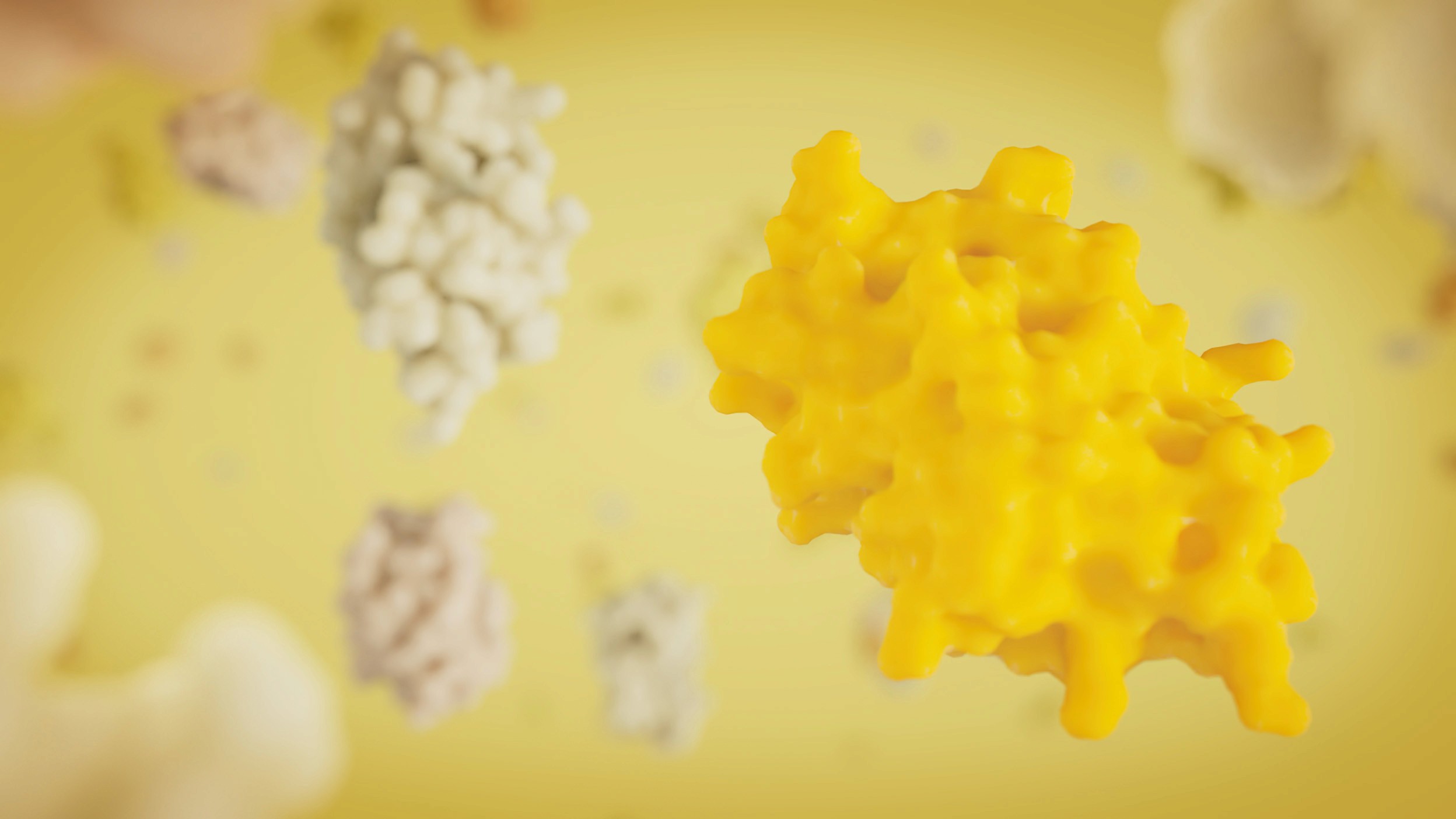
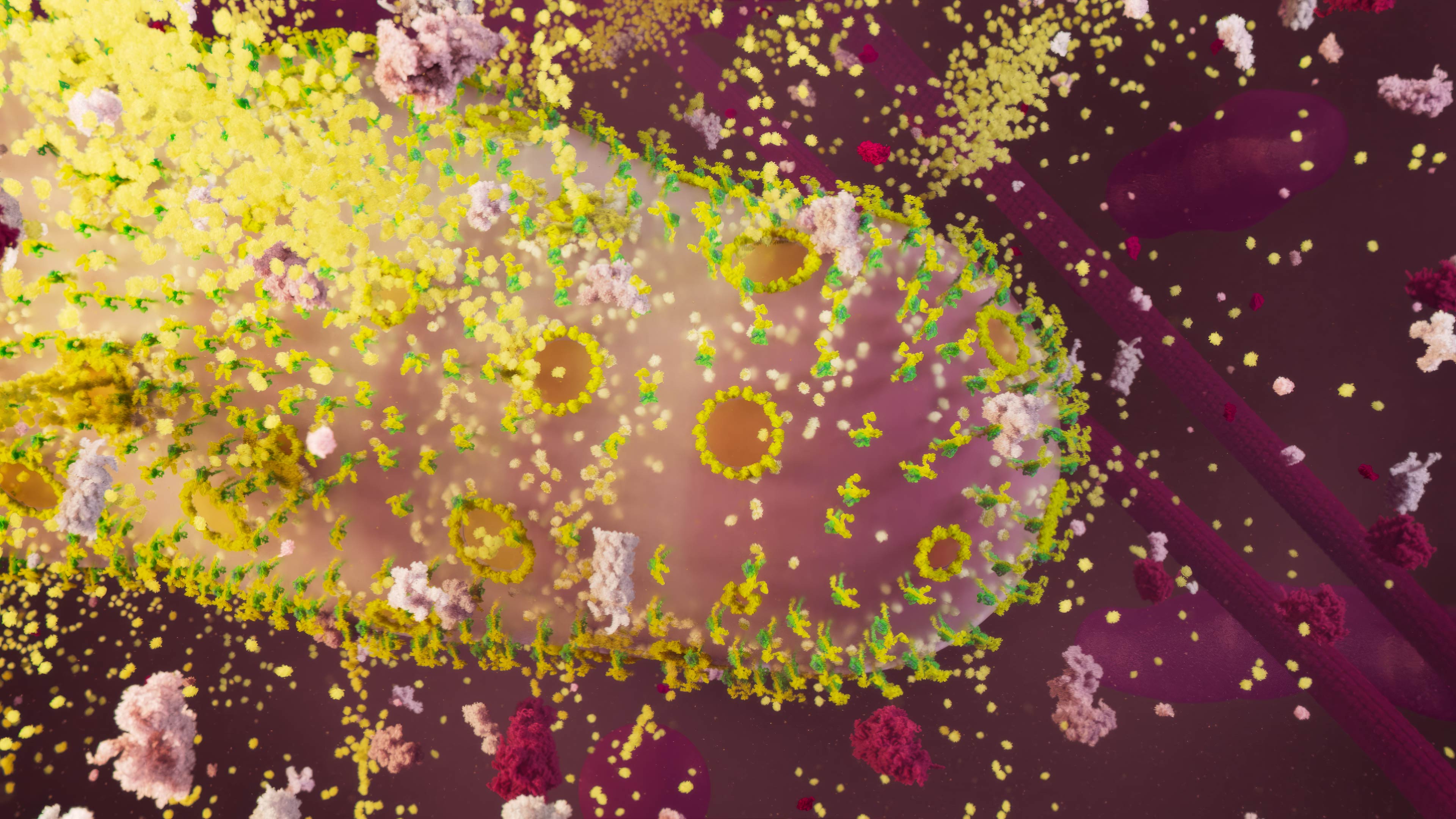
Bromelain molecule in the enzyme mixture
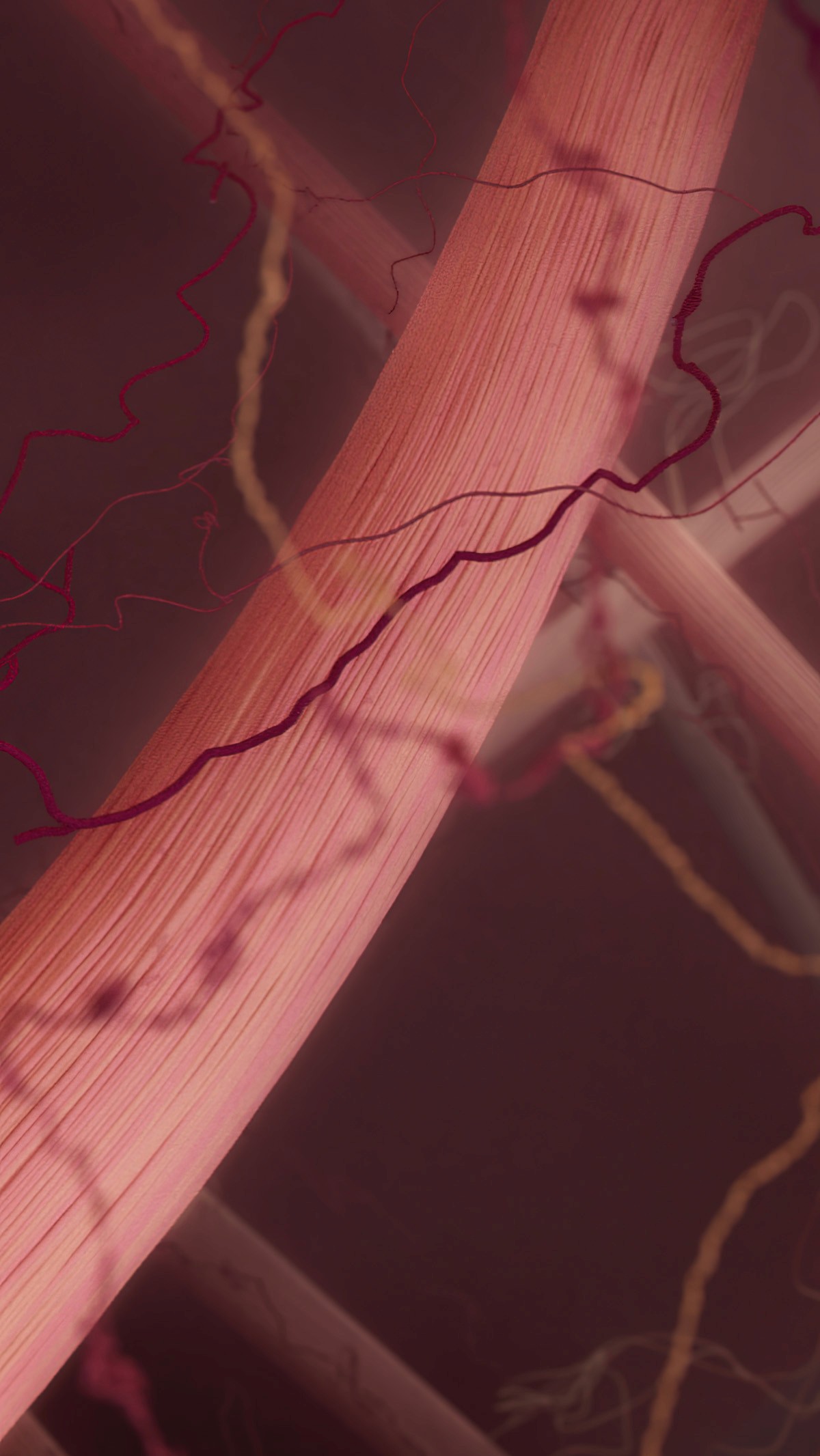
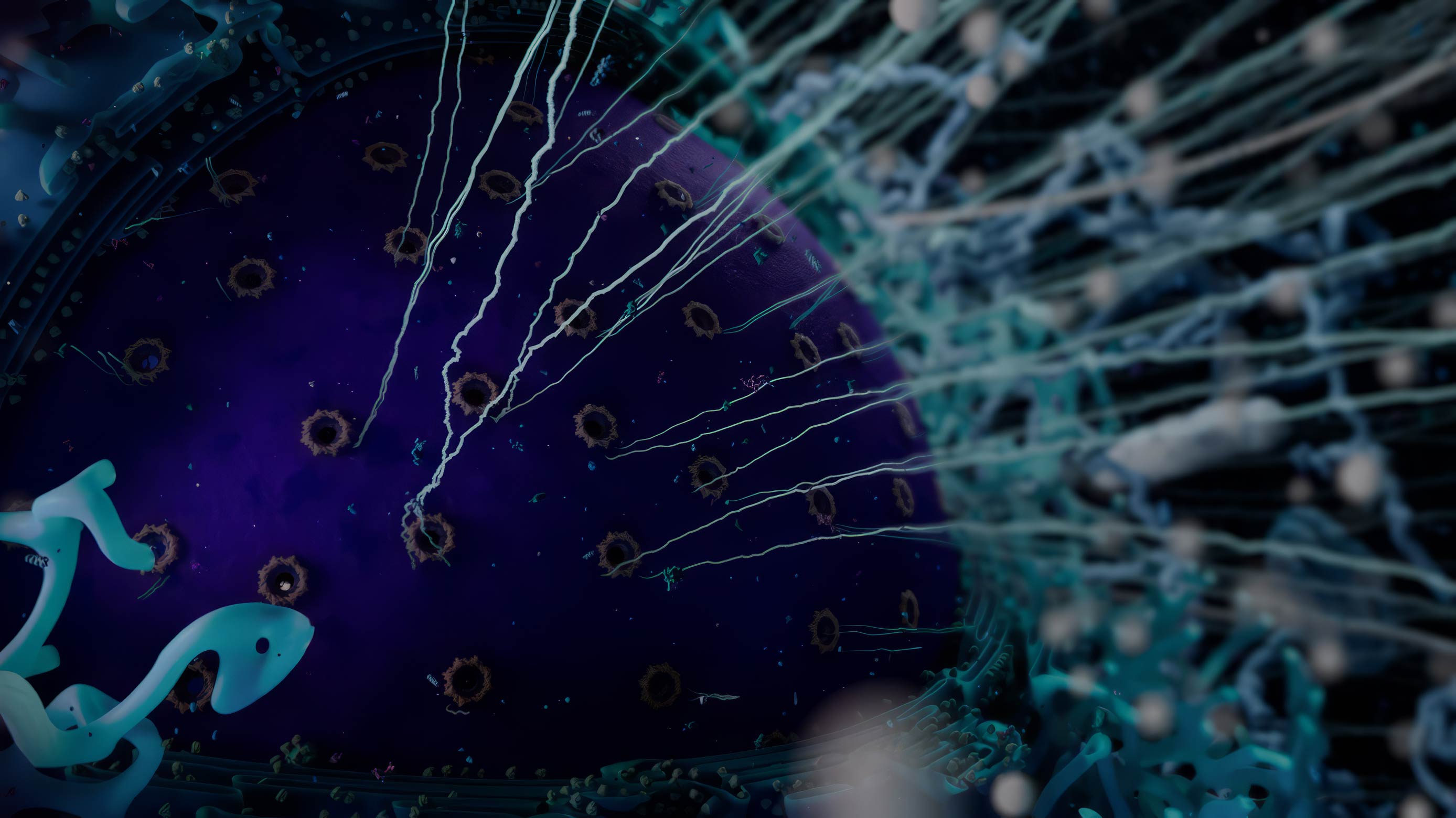
Collagen and fibrin fibers in normal tissue
Necrotic tissue and enzyme action

Chief Executive Officer
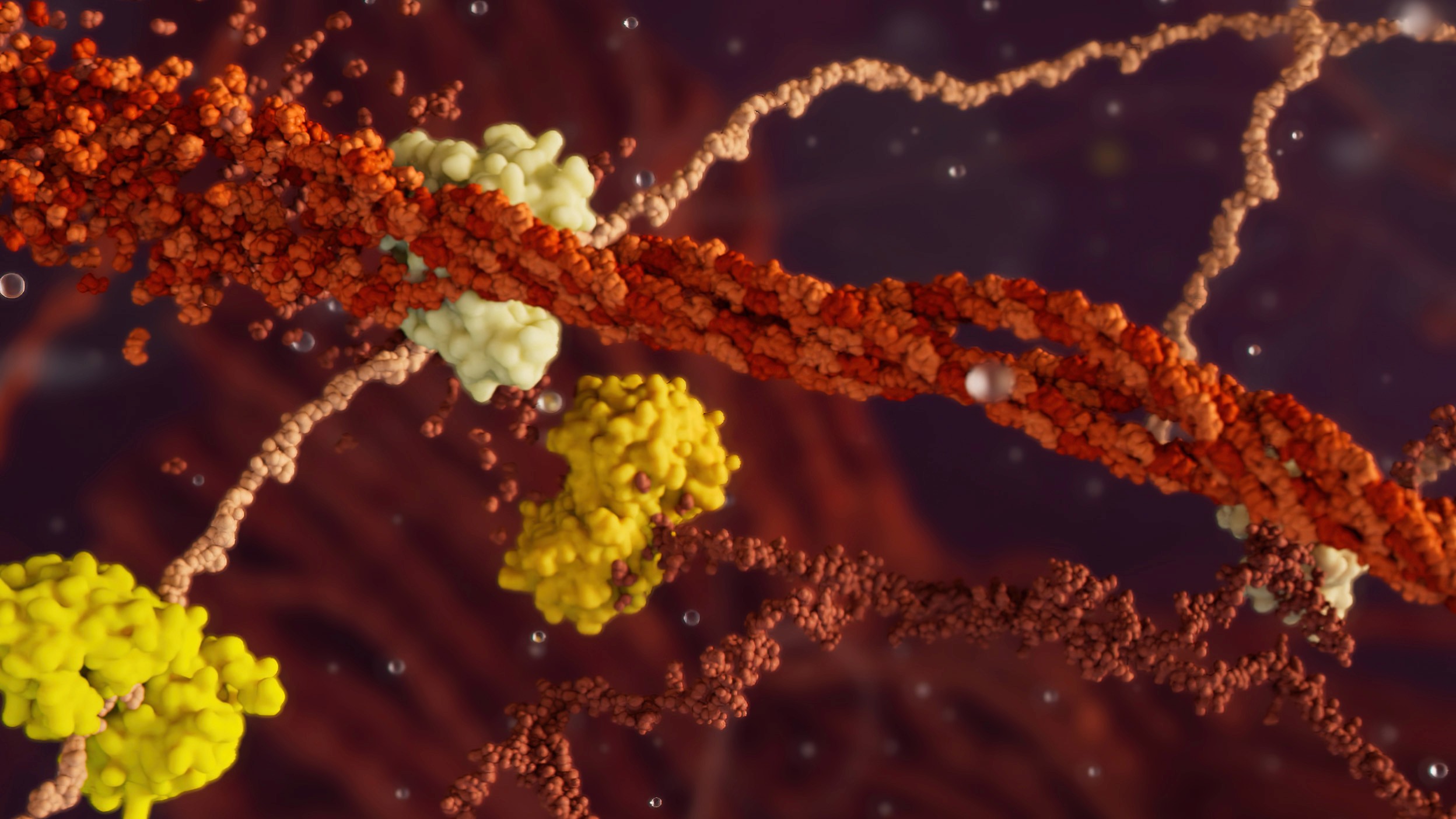
Enzymes in action
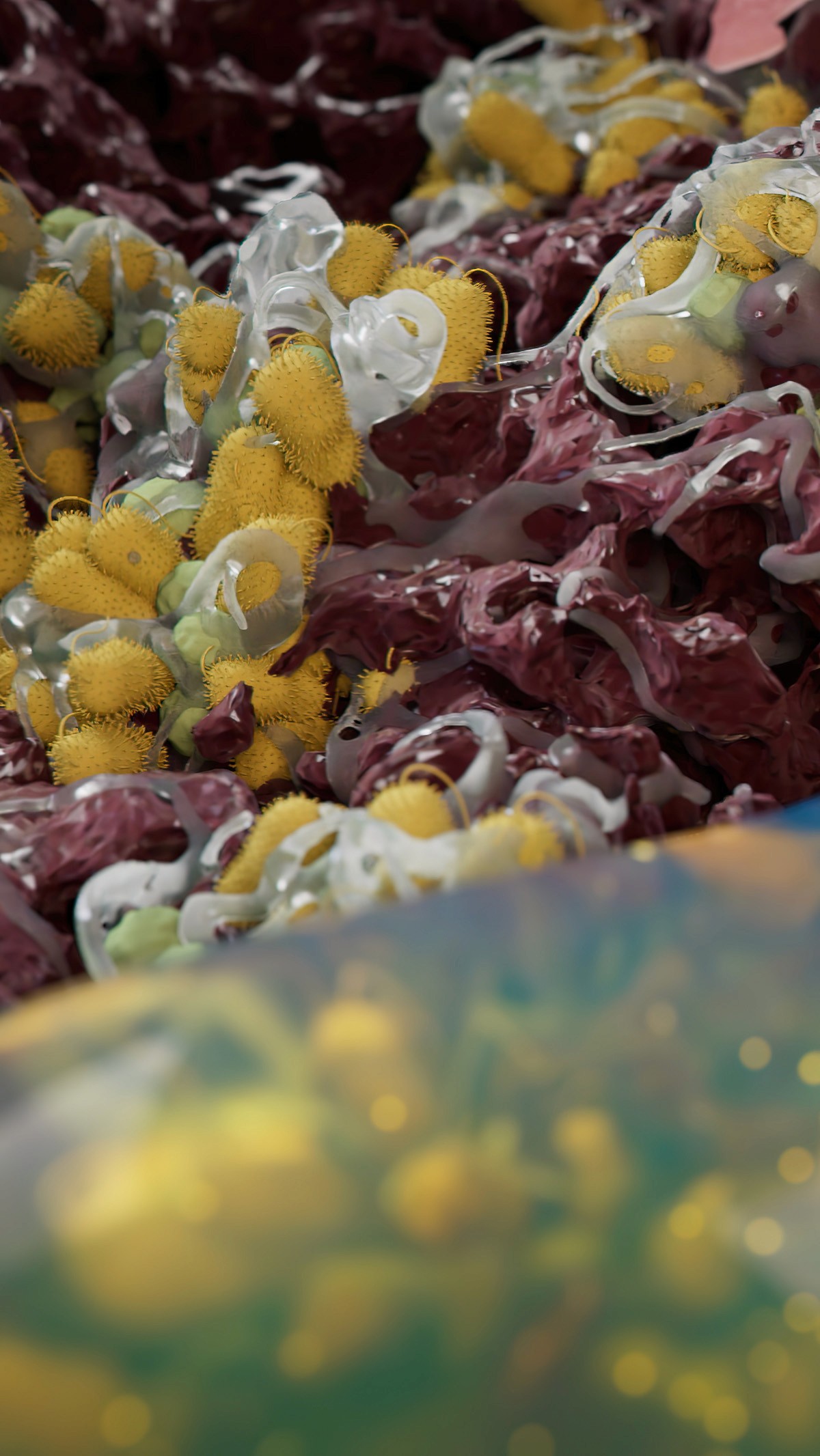
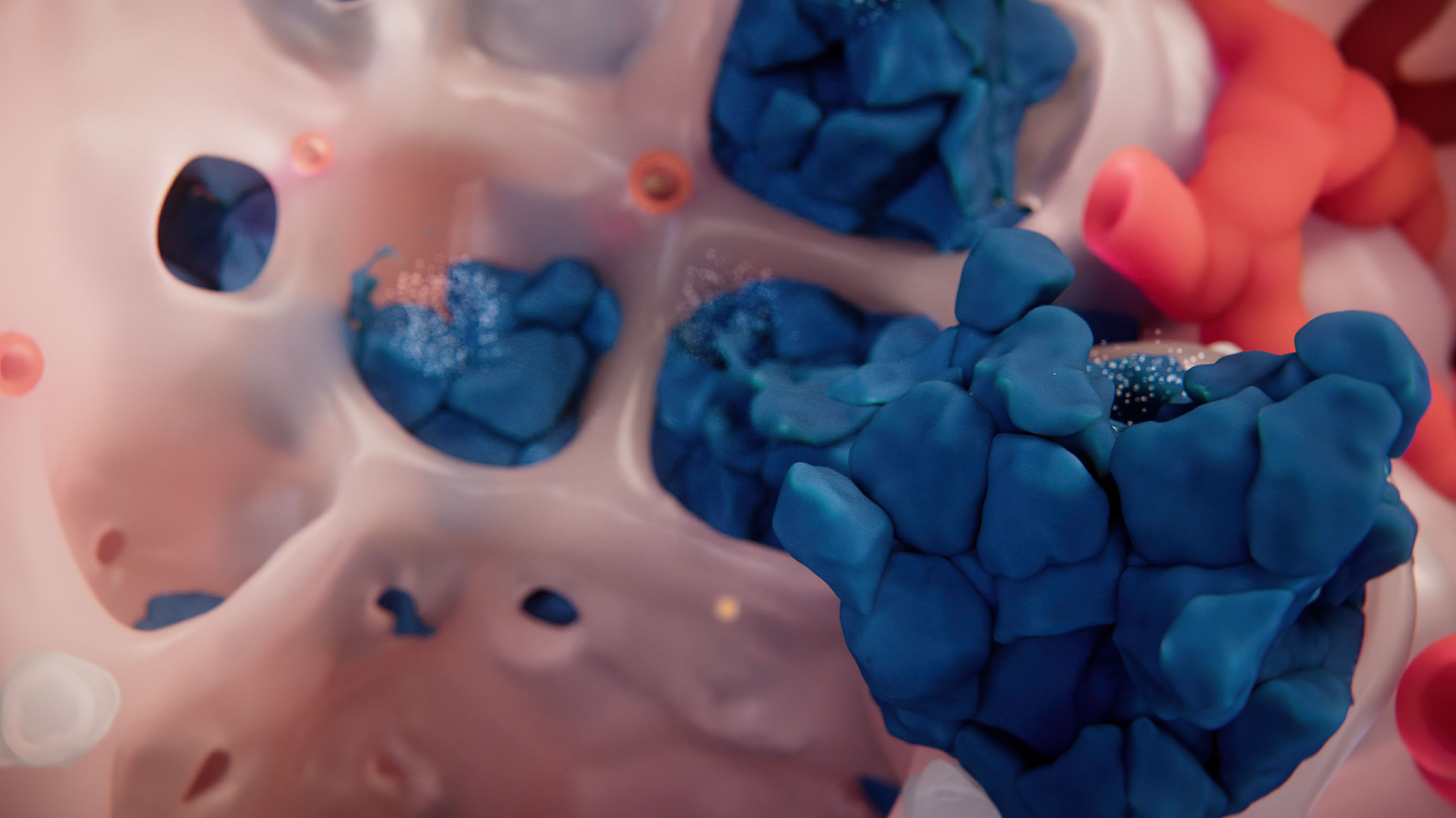
Bacteria on top of necrotic tissue
Processed damaged tissue and clean wound bed
The Process
Animation type:
3D + High End 3D
Project timline:
7 weeks
Review:
5 zoom calls + 4 e-mail feedback sessions
Find out which of our 26 scientific animation options works best for investor relations and communications:
For this project, we followed our traditional pipeline, starting from animated storyboards and gradually increasing the visuals' complexity through a series of 3D animatics. Each iteration was discussed with the MediWound team, and we carefully collected their feedback before implementing all comments in later versions. Modeling of the different types of damaged and necrotic skin tissue at a range of magnification levels was challenging, but the resulting visuals turned out to be balanced, accurate, and eye-catching. Our in-house practising dermatologist selected only the most relevant references to be used in modeling. The Visual Science team includes a number of experts in key biomedical fields, ensuring that we maintain a high level of scientific accuracy in our medical animations.
Our extensive experience and collection of well-assembled 3D assets in molecular, cellular, and anatomical structures enabled us to focus more on the most complex and unique aspects of the project. As a result, we were able to complete them within the short time frame.
Why did we use this
animation type?
In order to demonstrate all the aspects of MediWound's technology, we had to model and visualize multiple complex objects from the molecular to tissue levels. For this reason, we used a combination of our High-End 3D and main 3D animation styles. The first, more advanced style was used for shots at the molecular level, while main 3D worked best for the visualizations of skin tissues and cells.
The animation's topic required visualization of objects like slough and necrotic tissue, which cannot be considered particularly appealing visually. Through our lookdev and modeling processes, we tried multiple options to make the visuals more neutral and clean, and eventually developed a style which delivered a result which was both attractive and uncompromising on details and accuracy, supporting medical communication services for challenging clinical subject matter.