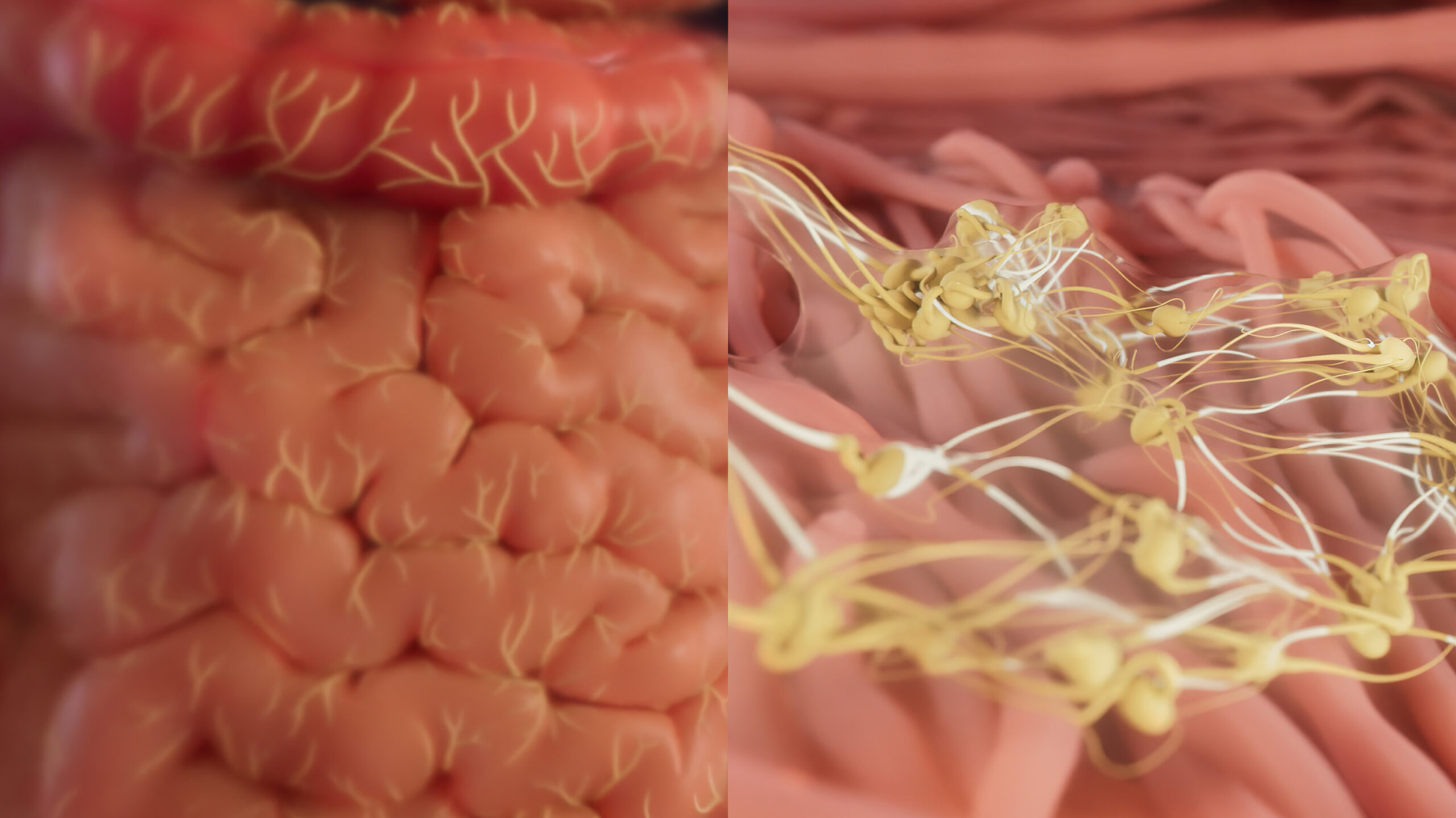
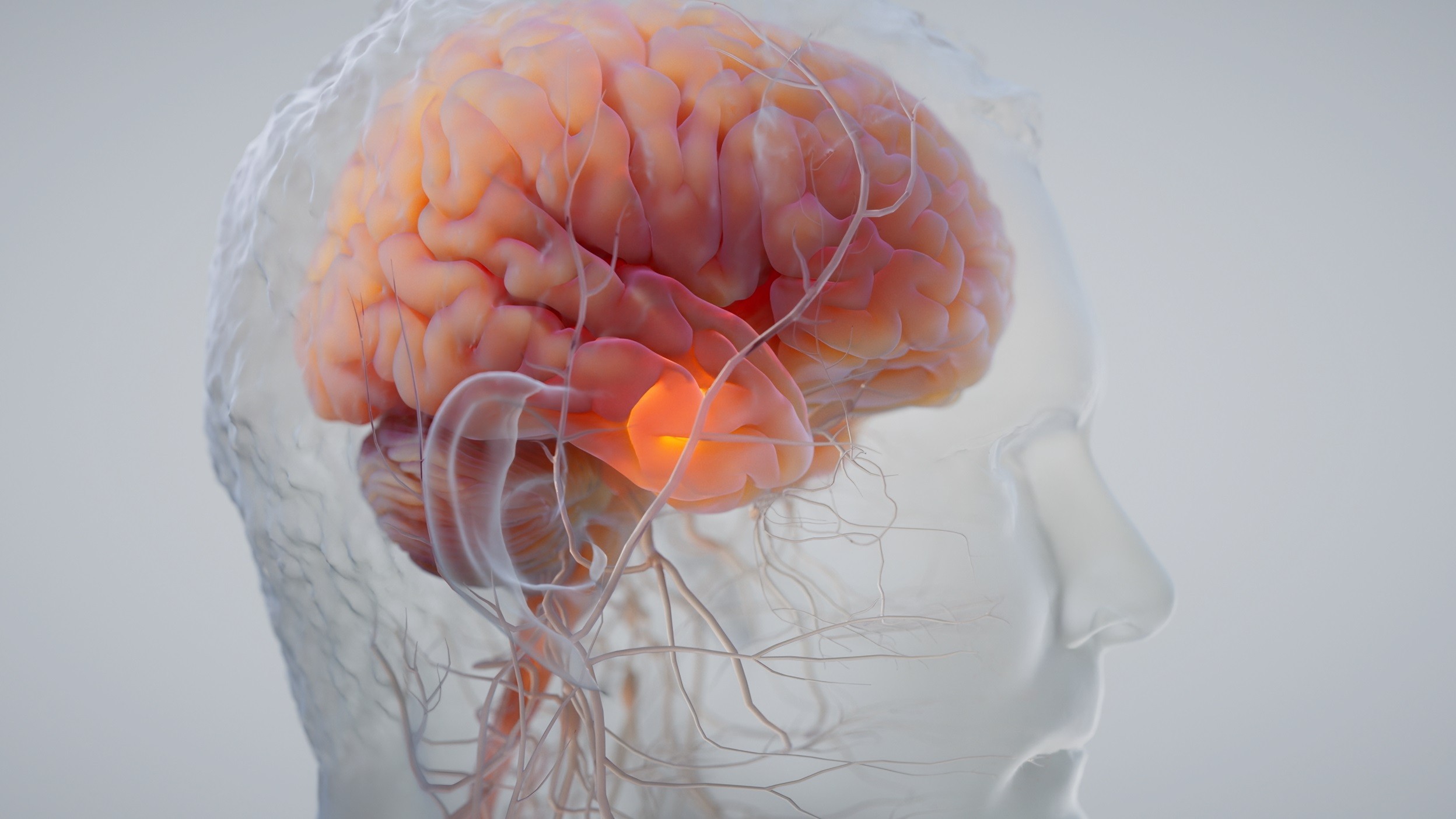
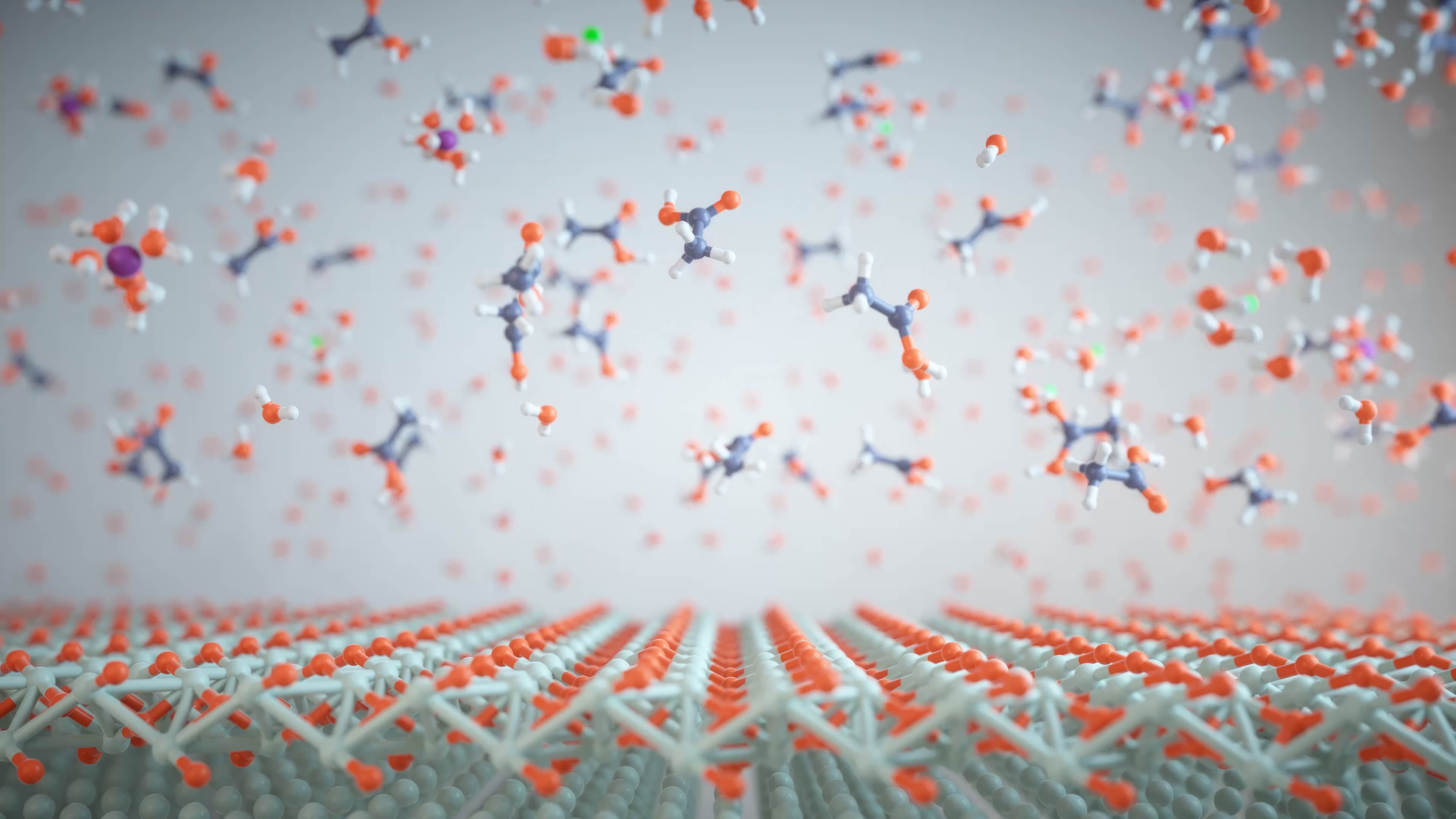
14 Scientific Animations for European Hematology Association

Project goal
Create a hematology animation series covering molecular mechanisms, genomic technologies, cellular therapies, and diagnostic innovation. Each animation needed to function independently while maintaining consistent visual standards and scientific rigor for a professional medical audience.
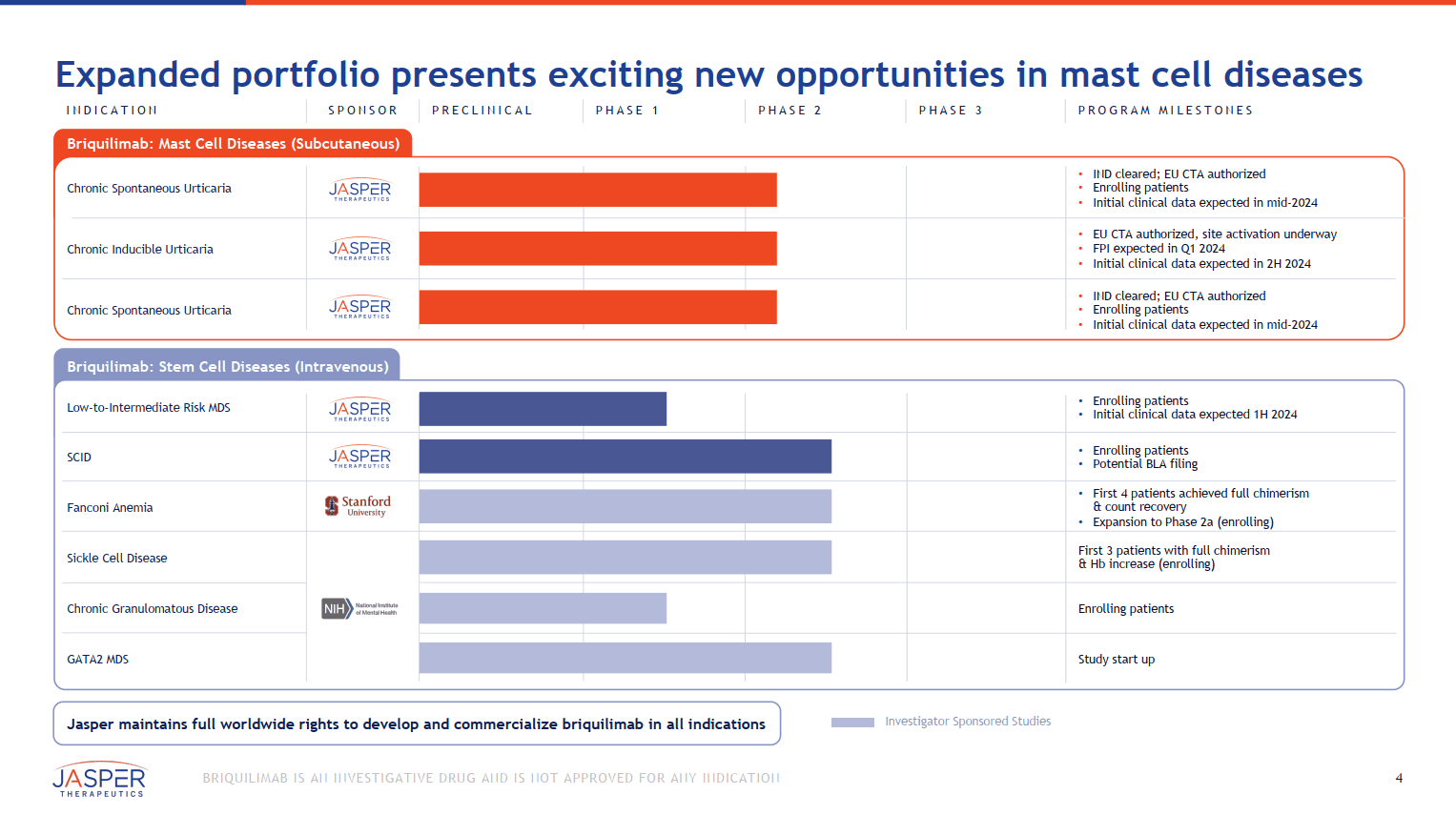
Montage featuring clips from all 14 animations created for EHA
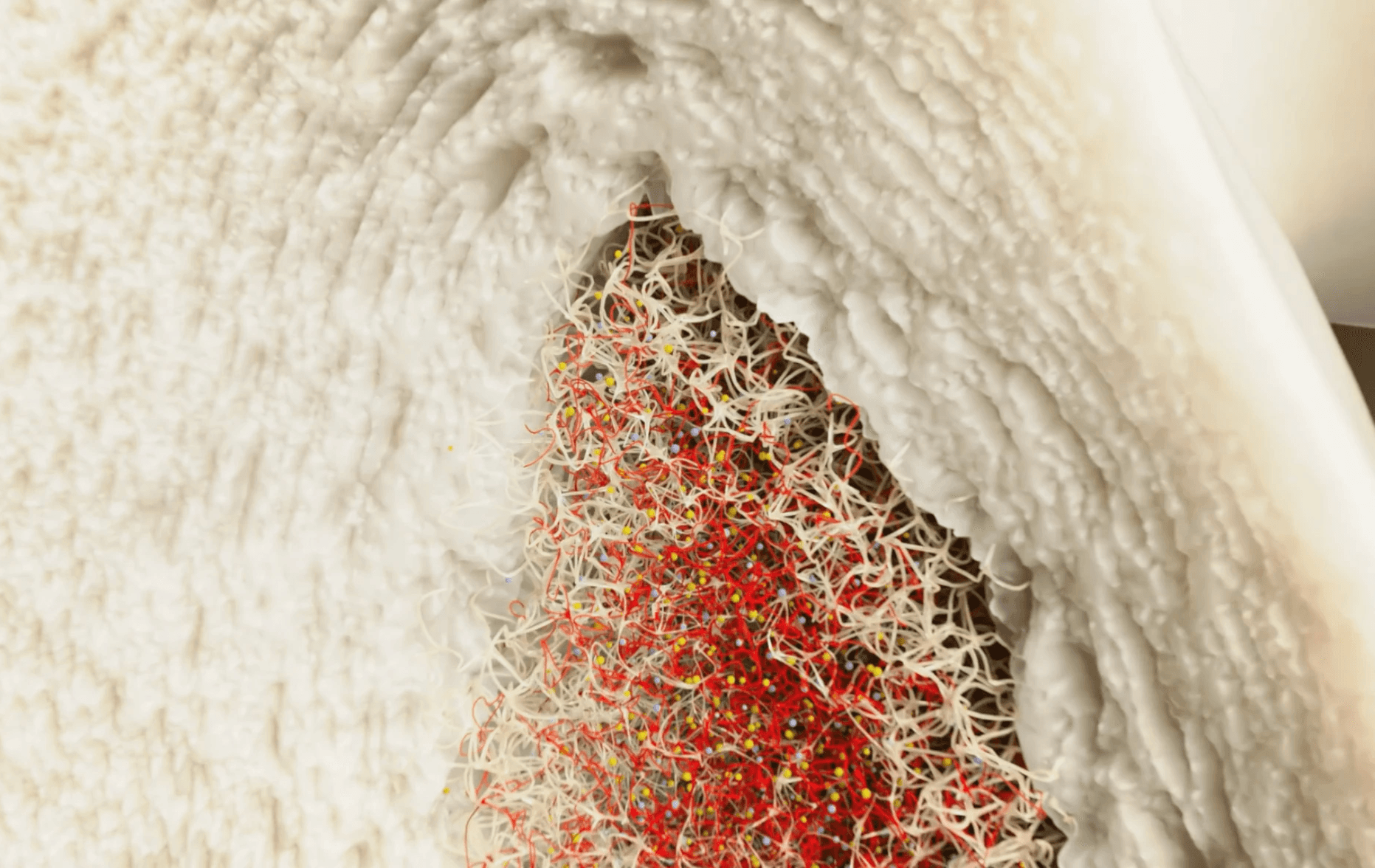
Bone Marrow Microenvironment in AML
Blood clot formation
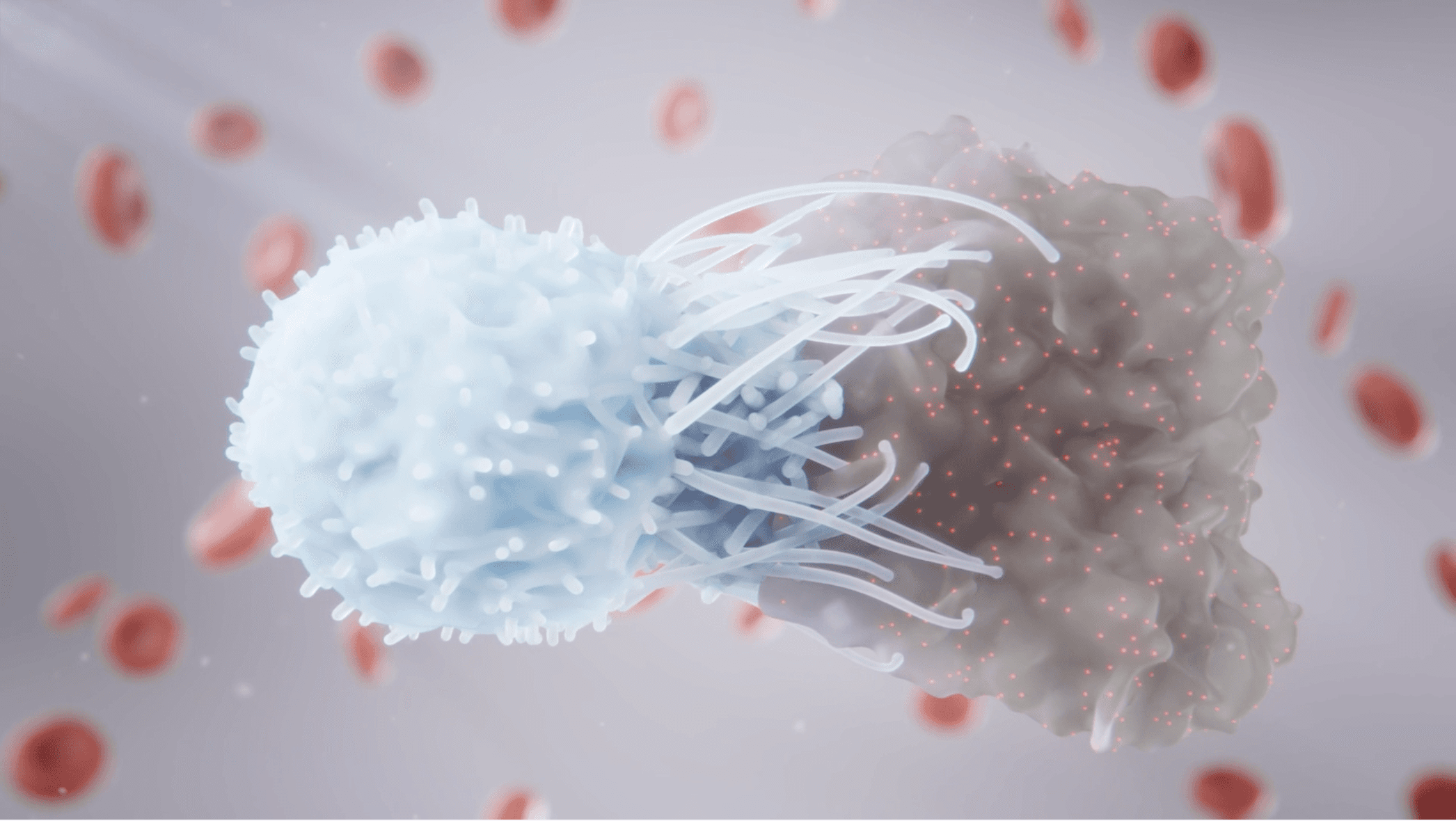
T Cell Recognition of a Malignant Cell
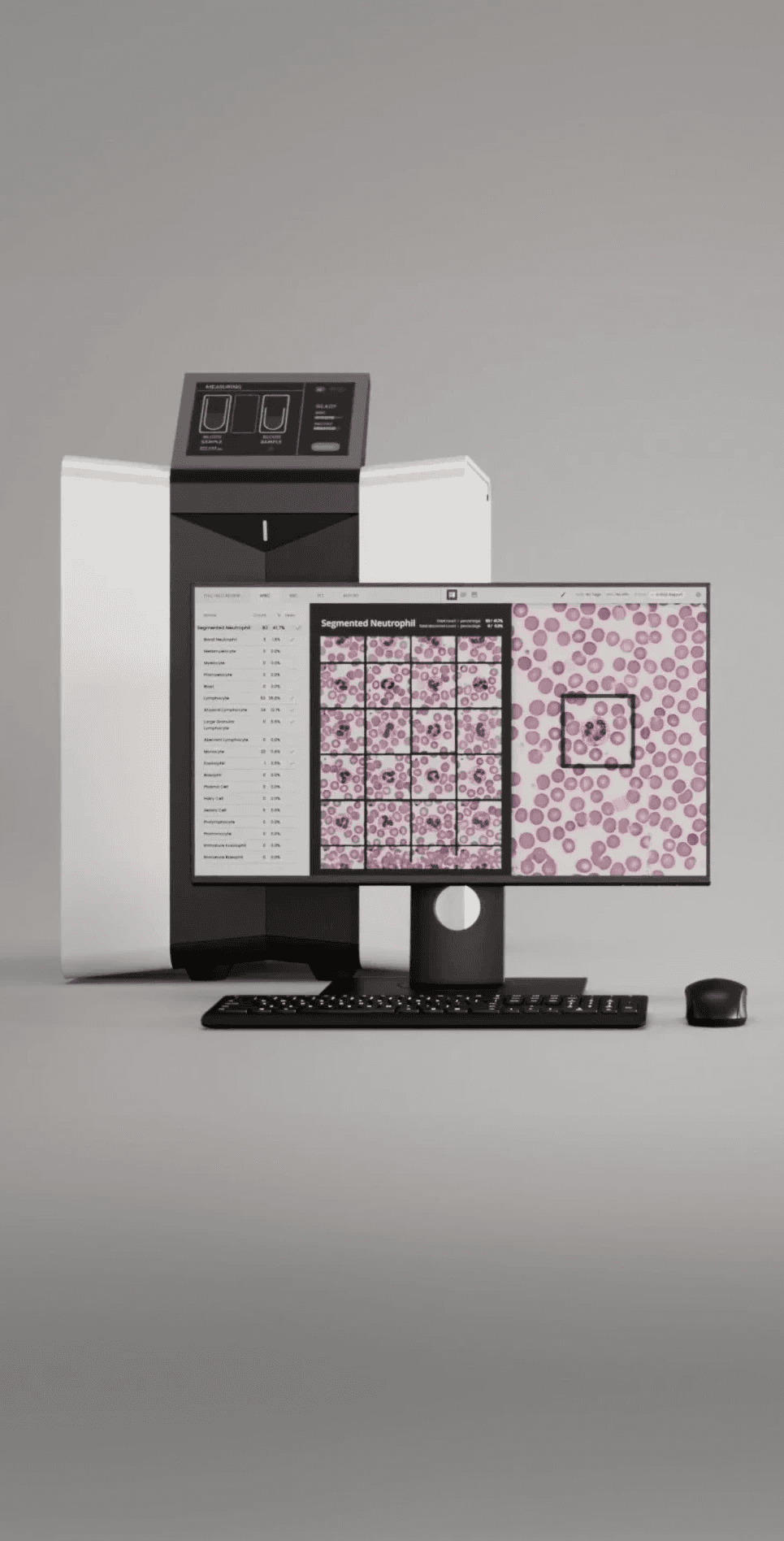
AI-Driven Acceleration of Cytomorphology Analysis
Loss of Histone Acetylation in T-Cell Lymphomas
Animation type:
2D, 3D, Deck 3D, High-end 3D
Project timline:
14 animations, 1 year
Review:
Biweekly zoom calls
Team:











Find out which of our 26 scientific animation options works best for investor relations and communications:
Discovery & Alignment
What began as a small set of scientific animations expanded to 14 hematology topics at EHA's request. We aligned on a phased structure, addressing core hematologic diseases and molecular pathophysiology first, then enabling technologies such as next-generation sequencing, single-cell genomics, and AI-driven assessment.
Concept & Storyboarding
We developed scripts in close collaboration with EHA's scientific team, with a shared commitment to accuracy that deepened across all 14 topics. Each animation went through multiple rounds of storyboard refinement to lock conceptual clarity before production.
Design & Production
We used 3D visualization across multiple biological scales, moving from anatomical context to cellular environments and molecular interactions such as antibody binding, immune recognition, and receptor engagement. Multiple animations ran in parallel under overlapping timelines while maintaining visual and scientific consistency.
Review & Iteration
Each animation underwent structured review with EHA's scientific reviewers, with feedback incorporated across script, storyboard, and animation stages.
Final Delivery
We delivered each completed animation within a consistent visual framework across the series, optimized for educational use across EHA's professional channels.
Why did we use this animation type?
Given the breadth and variability of topics, we used a flexible visual approach rather than a single animation style. We combined 2D, 3D, Deck 3D, and High-End 3D to match the complexity and communication needs of each subject. High-End 3D handled detailed molecular and cellular mechanisms where structural accuracy and spatial clarity were critical; Deck 3D provided a more streamlined approach for environments and processes; 2D and graphic-driven sequences handled data visualization, diagnostic workflows, and conceptual explanations. This hybrid approach kept each animation effective for its subject while maintaining visual consistency across the project.
Outcome
The completed series is now an educational resource for EHA's hematology community, supporting professional learning across topics that span disease mechanisms, genomic technologies, and clinical innovation. Visual consistency across the 14 animations allows them to function as one cohesive resource or as standalone references, reflecting scientific content development services for advanced medical education.