3D MoA Animation on Targeting DR3 in the TL1A Pathway


Project goal
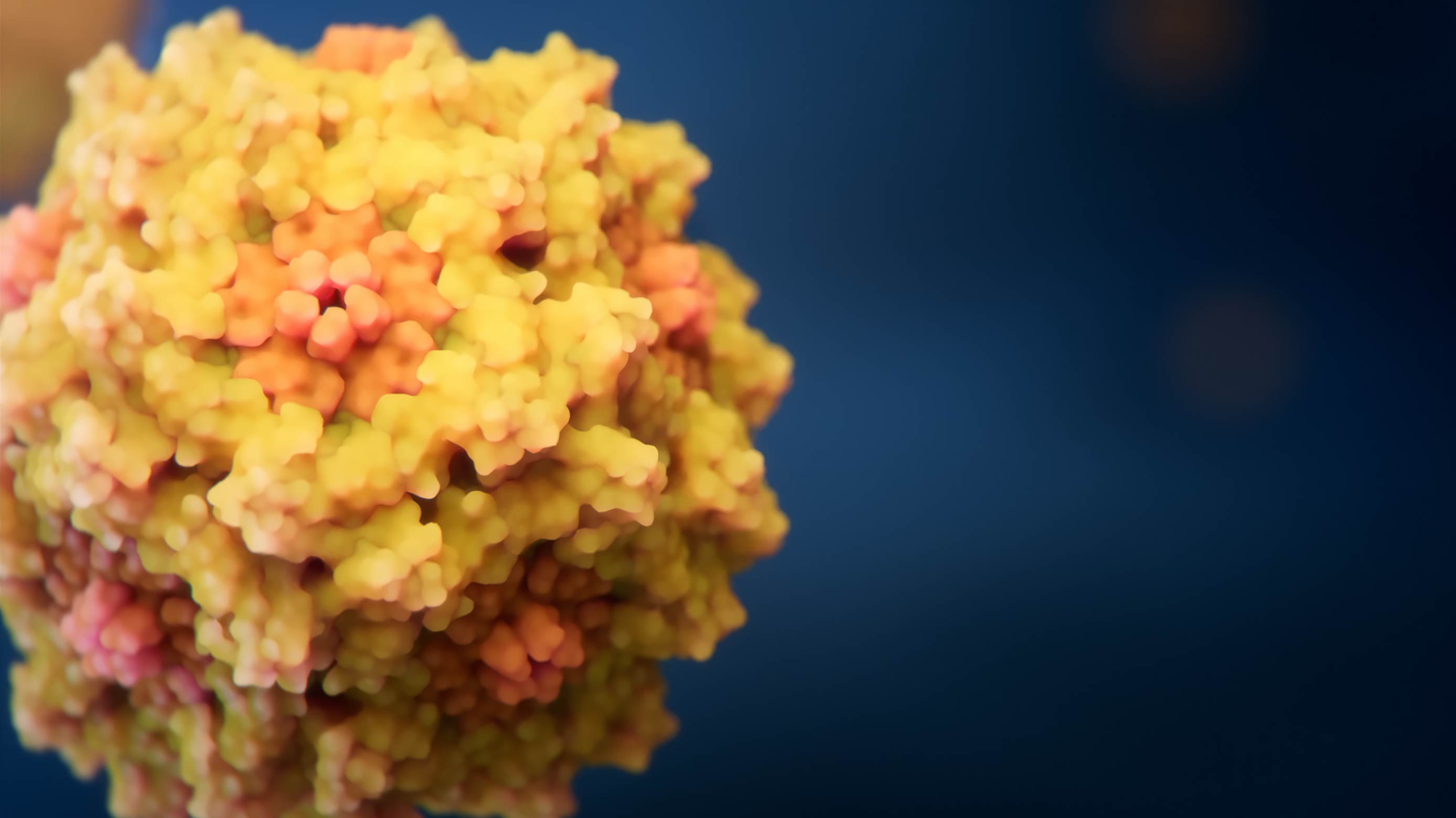
The goal of this project was to create a mechanism-of-action animation illustrating Shattuck Labs’ strategy of targeting the DR3 receptor within the TL1A/DR3 pathway. The animation clarifies how receptor blockade differs from TL1A ligand inhibition and positions SL-325 as a differentiated therapeutic approach for inflammatory diseases.
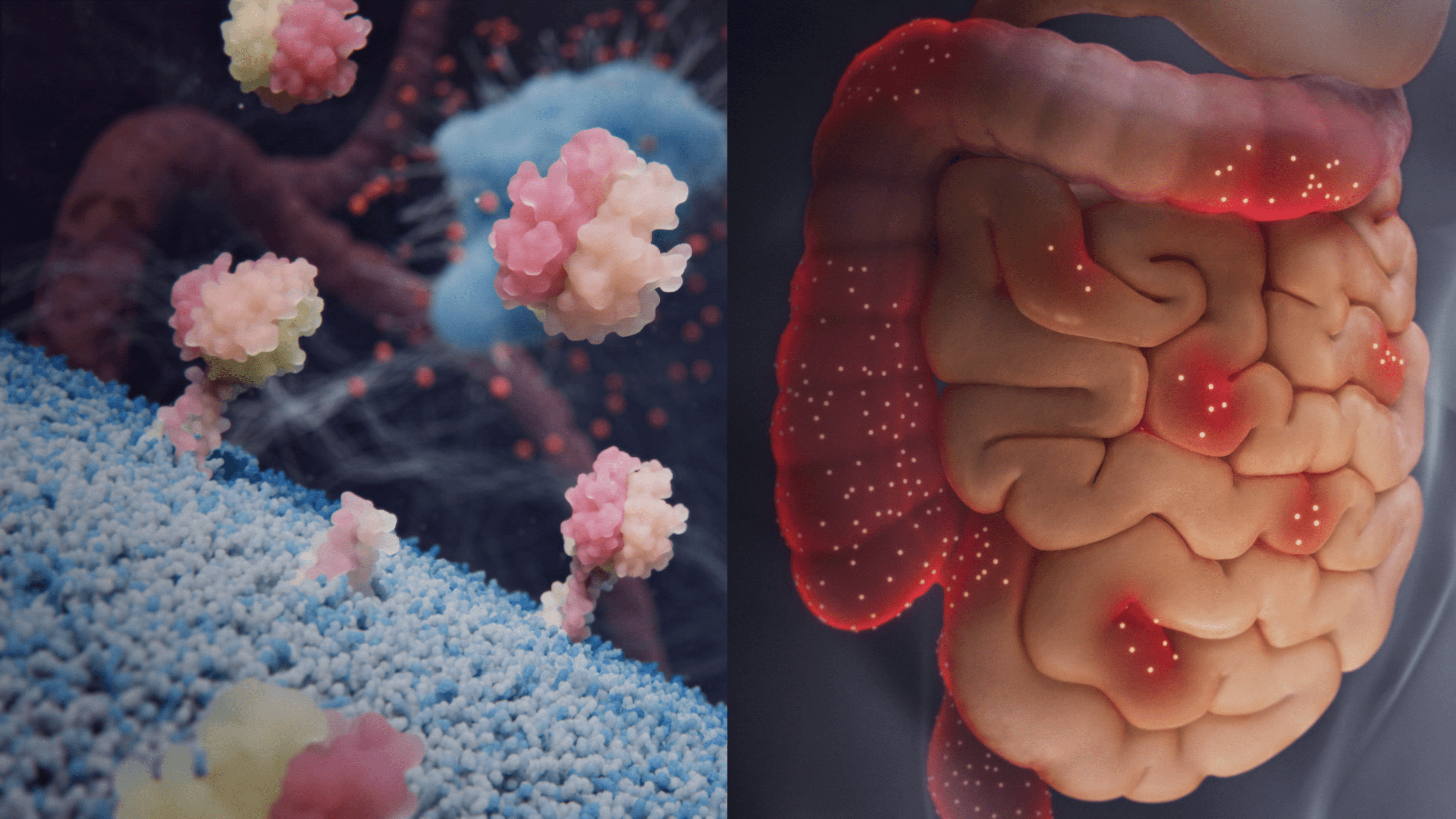
TL1A is expressed on the surface of APCs and appears transiently in inflamed regions in IBD
TL1A-DR3 cascade on T Cell Surface
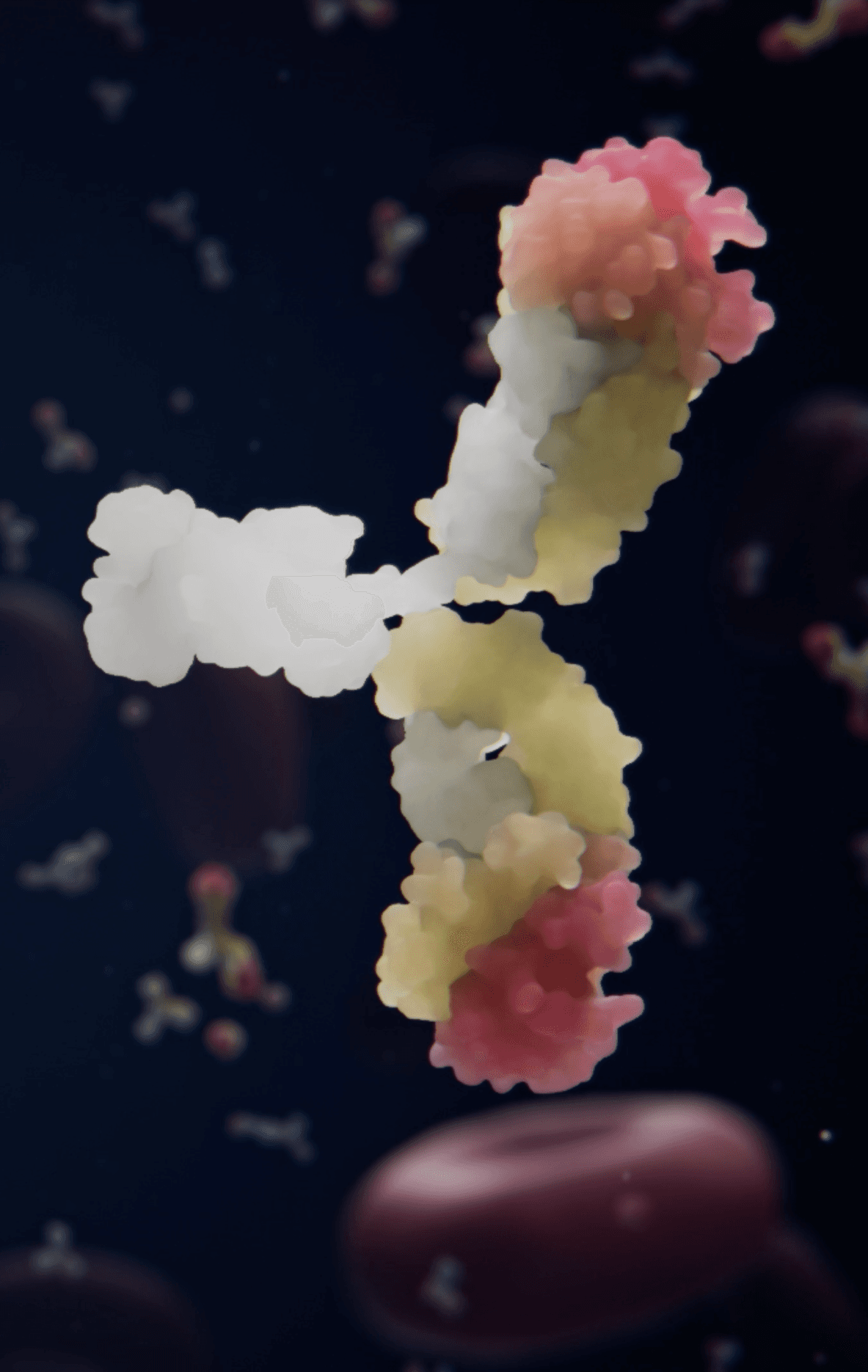
Anti-TL1A antibodies in the blood

Animation type:
3D + High-end 3D
Project timline:
10 weeks (branding, website, MoA)
Review:
6 zoom calls
Find out which of our 26 scientific animation options works best for investor relations and communications:
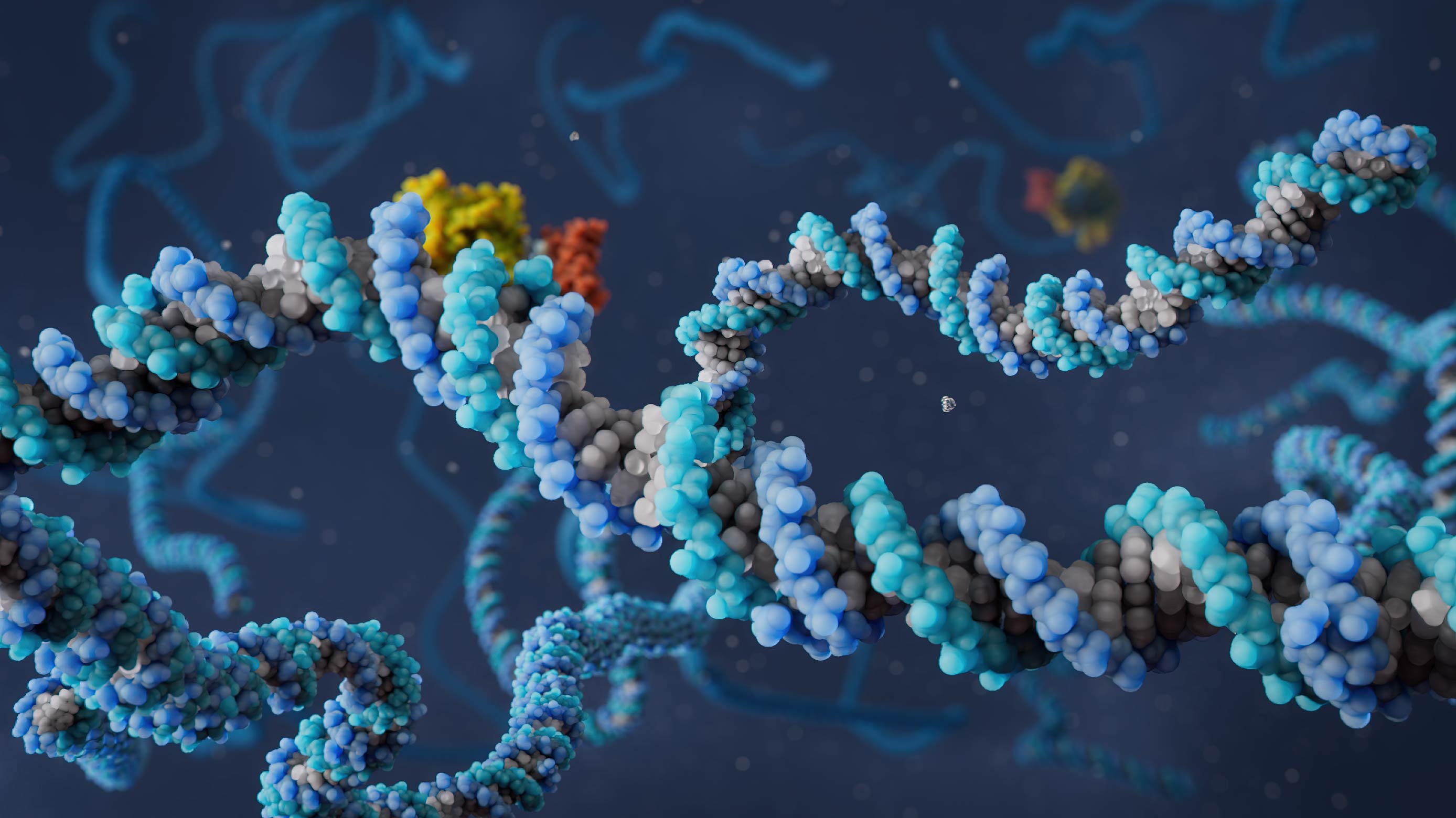
We worked closely with the Shattuck Labs team to translate the immunological pathway into a clear and structured visual narrative. The animation was designed to move seamlessly from whole-body anatomy to tissue and molecular scales, establishing the clinical context of inflammatory bowel disease before focusing on the TL1A/DR3 signaling cascade. Particular care was taken to accurately depict the differential expression patterns of TL1A and DR3, visually reinforcing the distinction between localized ligand activity and broad receptor presence throughout inflamed and non-inflamed tissue.
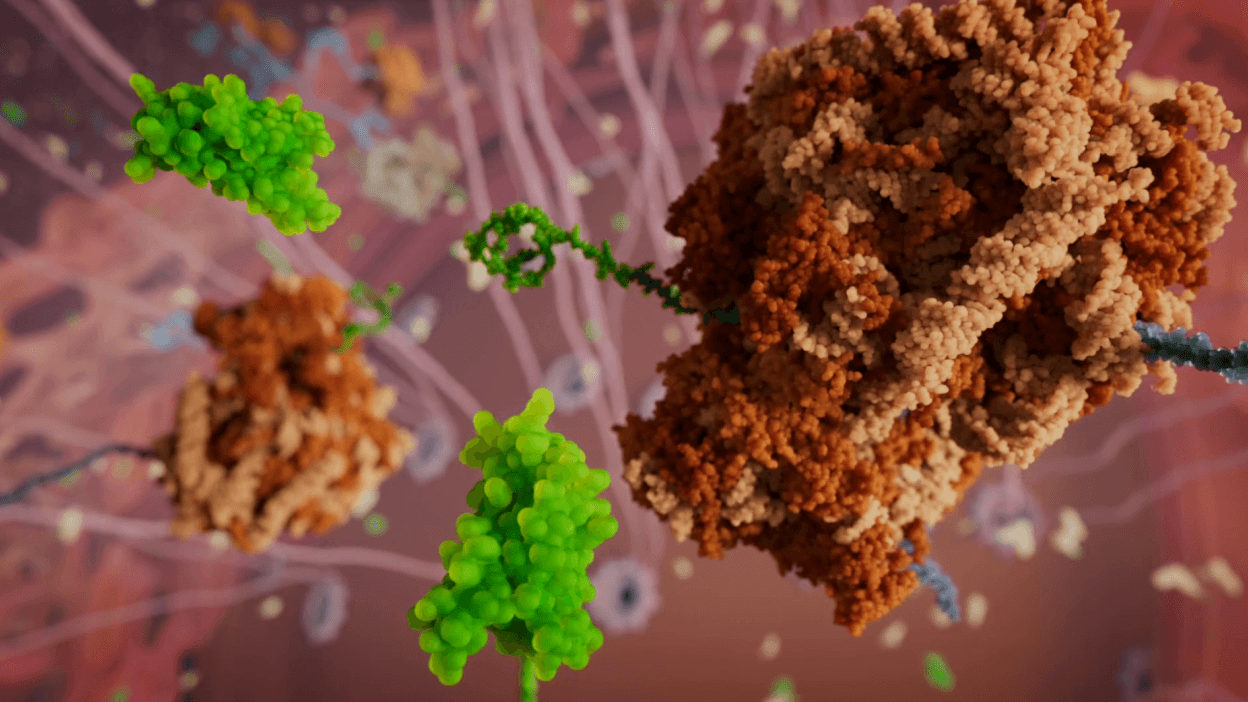
A split-screen framework was developed to directly compare DR3 blockade with TL1A blockade, allowing viewers to clearly understand differences in pathway inhibition, residual activation, and immune complex formation. High-end 3D molecular modeling was used to portray ligand–receptor binding, cytokine release, fibrosis progression, and antibody interactions with structural credibility. This layered approach ensured that key biological distinctions — including tissue retention, dynamic ligand expression, and immunogenicity risk — were communicated with both scientific precision and visual clarity. We also developed a supporting presentation deck and website, with the visual language established in the MoA animation informing the design and scientific storytelling across these additional materials, extending the project into scientific communication for biotech.
Why did we use this
animation type?
The final animation delivered a clear and visually compelling explanation of SL-325’s mechanism, emphasizing the strategic advantage of targeting DR3 rather than TL1A. By combining molecular-level 3D environments with structured pathway visualization, the piece translated complex immunology into a concise and accessible narrative, reflecting the strengths of our scientific animations. The result positioned Shattuck Labs’ program as a differentiated and scientifically grounded approach within the competitive inflammatory disease landscape.