3D MoA on AAV Gene Therapy for XLRS

Project Goal
The goal was to create a scientifically accurate animation explaining how RS1 mutations lead to retinal layer separation and vision loss in X-linked retinoschisis (XLRS), while introducing Atsena’s gene therapy approach as a potential treatment.
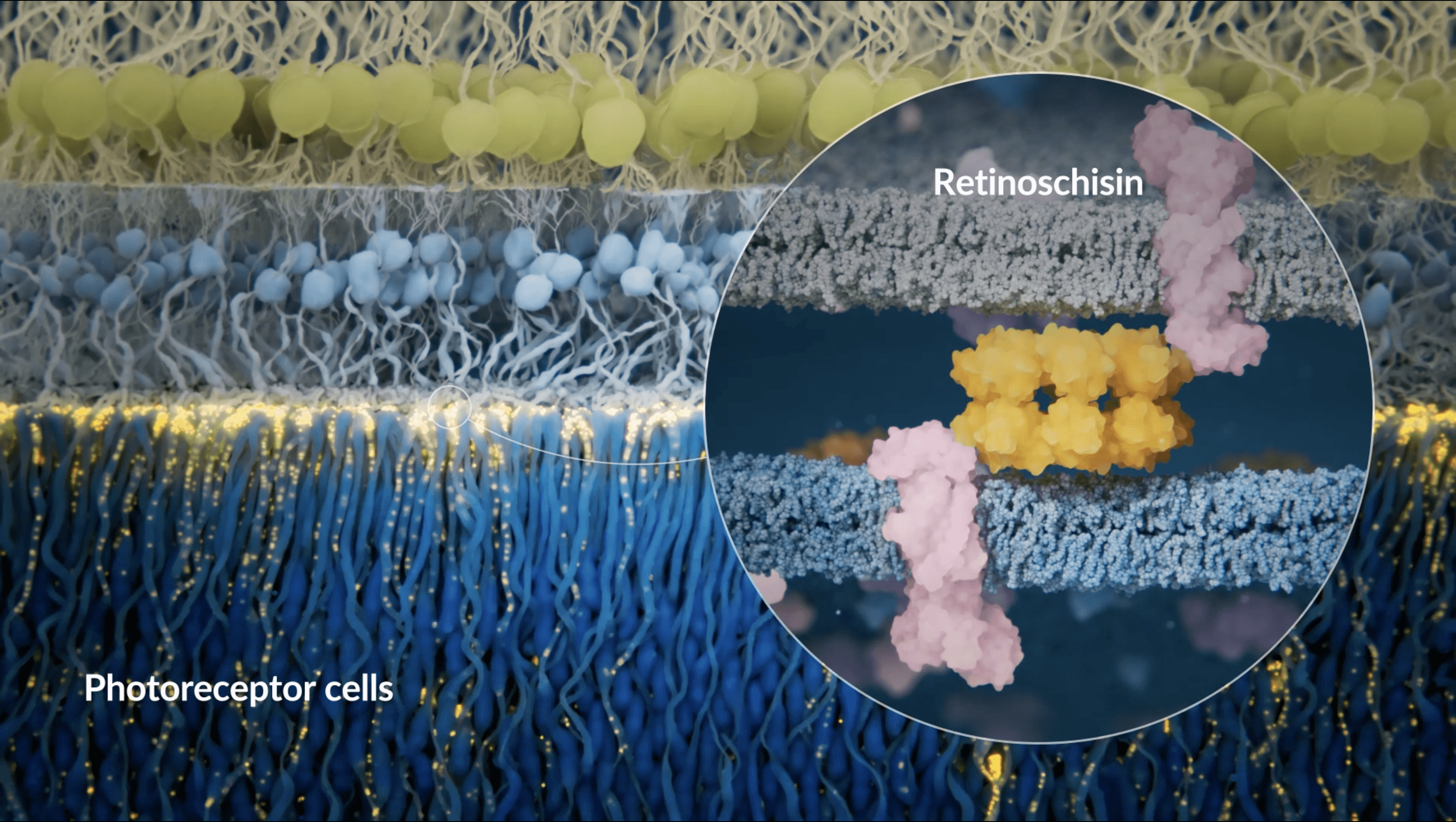
Healthy retinal environment highlighting cell adhesion

Genetic material inside the viral vector particle
Functional RS1 gene inside the cell

The Process
Animation type:
3D Animation
Project timline:
5 weeks
Review:
5 zoom calls + 4 e-mail feedback sessions
Find out which of our 26 scientific animation options works best for investor relations and communications:
Atsena Therapeutics requested a MoA animation to support investor relations and broader stakeholder communication. Our scientific team first reviewed the underlying biology and therapeutic approach before developing initial animation scripts. Following internal development, we collaborated with Atsena to refine the narrative, incorporating their feedback before moving into production. The process followed a structured pipeline—from storyboards to animatics to final renders—managed independently by Visual Science, while maintaining regular review points that allowed the client to guide direction without requiring constant involvement.
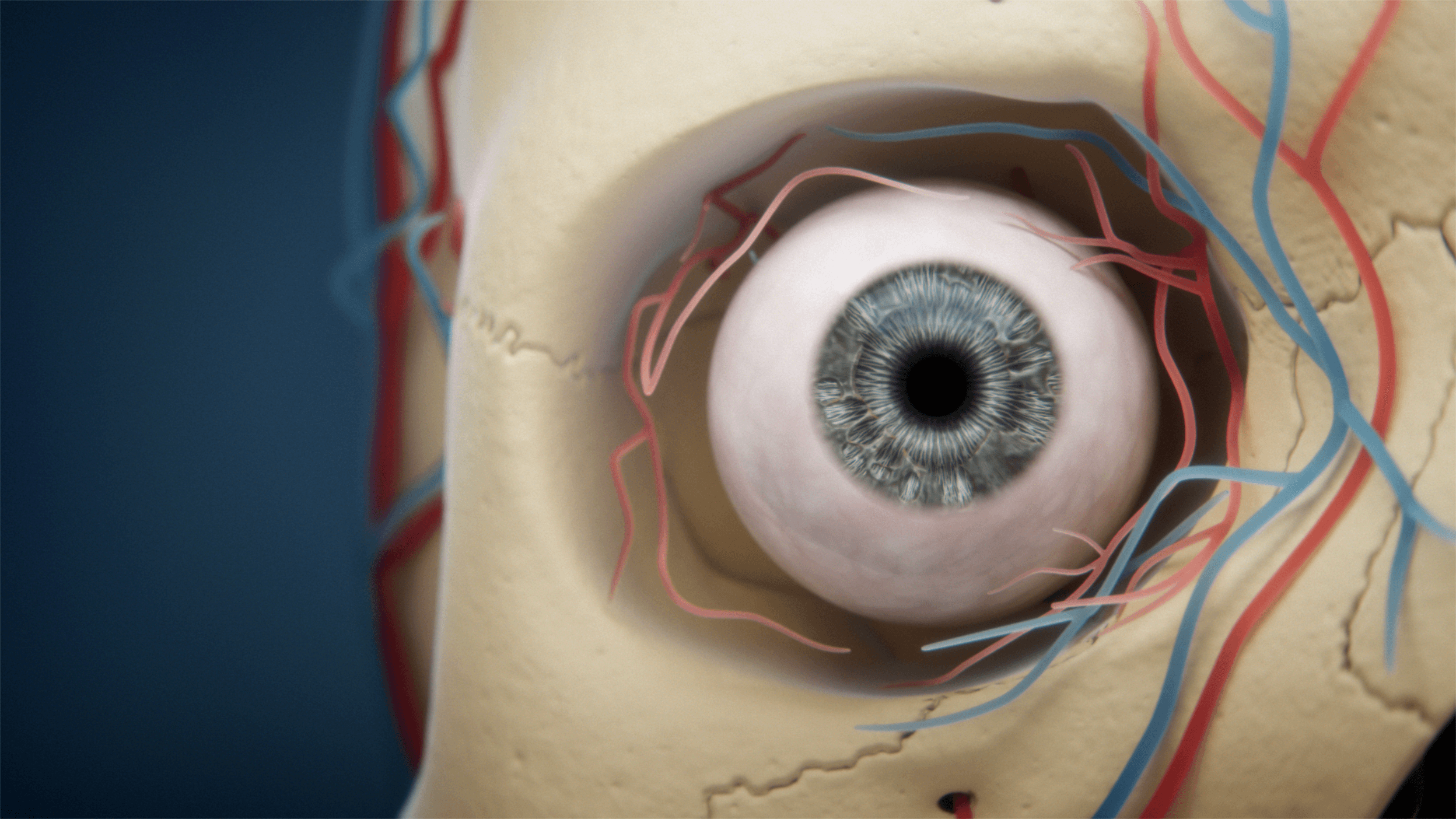
To clearly communicate both the disease mechanism of XLRS and Atsena’s gene therapy approach, we developed a hybrid visual system combining 3D medical animation of retinal environments, molecular animation, 2D graphical overlays, and live-action footage. The retinal environment illustrates schisis cavity formation, while molecular models highlight the role of retinoschisin and the impact of RS1 mutations. The therapeutic sequence focuses on clarity of delivery, showing subretinal injection, localized bleb formation, and lateral spread of the AAV capsid across the retina, connecting gene delivery to restored protein expression and visually representing retinal repair within a consistent visual language.
Outcome
The final animation provided Atsena with a clear and visually cohesive tool to communicate both the disease mechanism of XLRS and the therapeutic potential of ATSN-201. By connecting clinical context, retinal pathology, and gene therapy delivery into a single narrative, the piece supported more effective storytelling at key moments such as the AAO meeting and in broader stakeholder discussions, strengthening medical communication services.