The goal of this project was to accurately represent the molecular structure of the SARS-CoV-2 virus at atomic resolution using current findings in structural biology and virology. The model was designed to support scientific understanding and education by providing a clear, research-driven visualization of viral architecture during a critical period of global public interest.
See full animation.
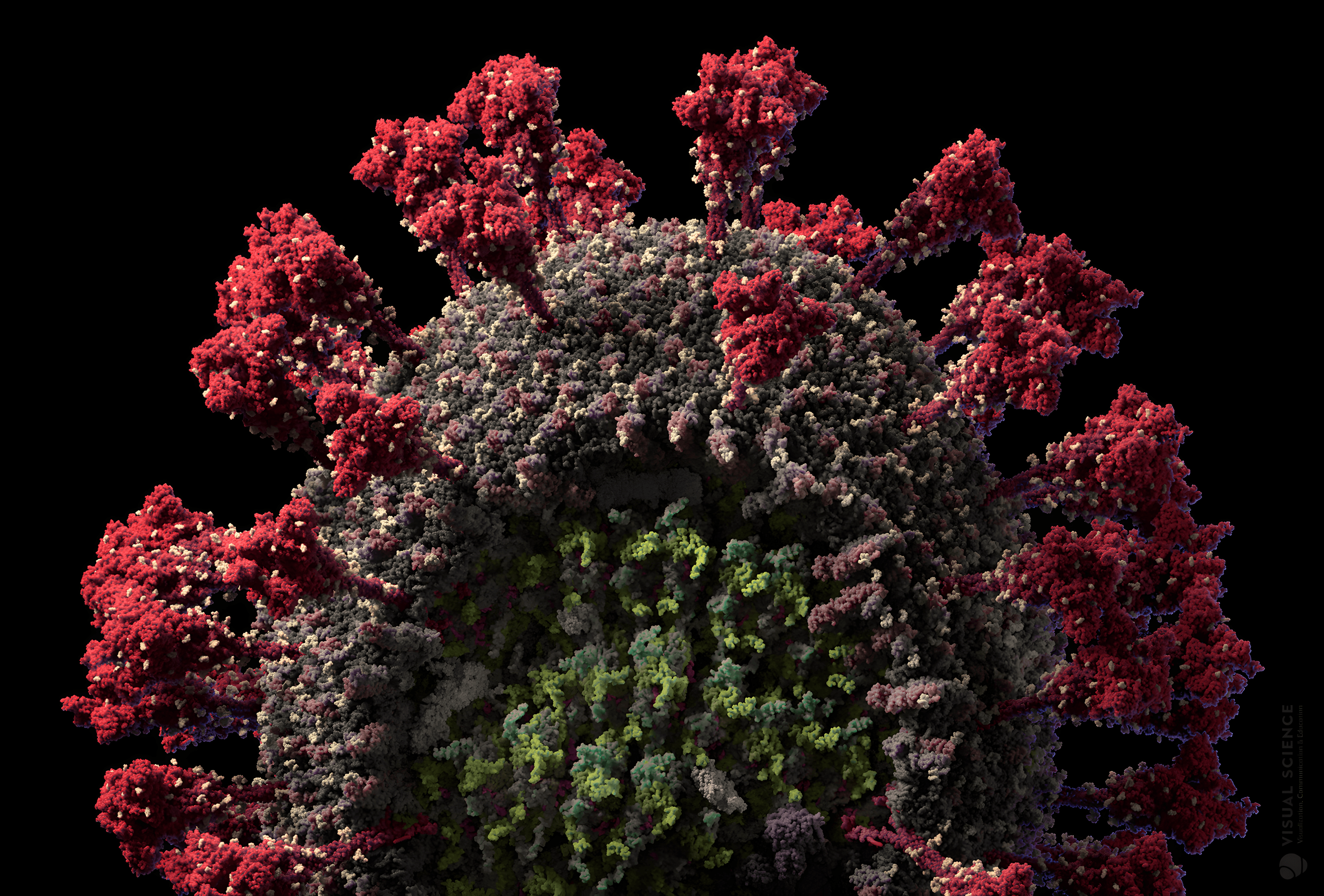
SARS-CoV-2 virus with exposed core
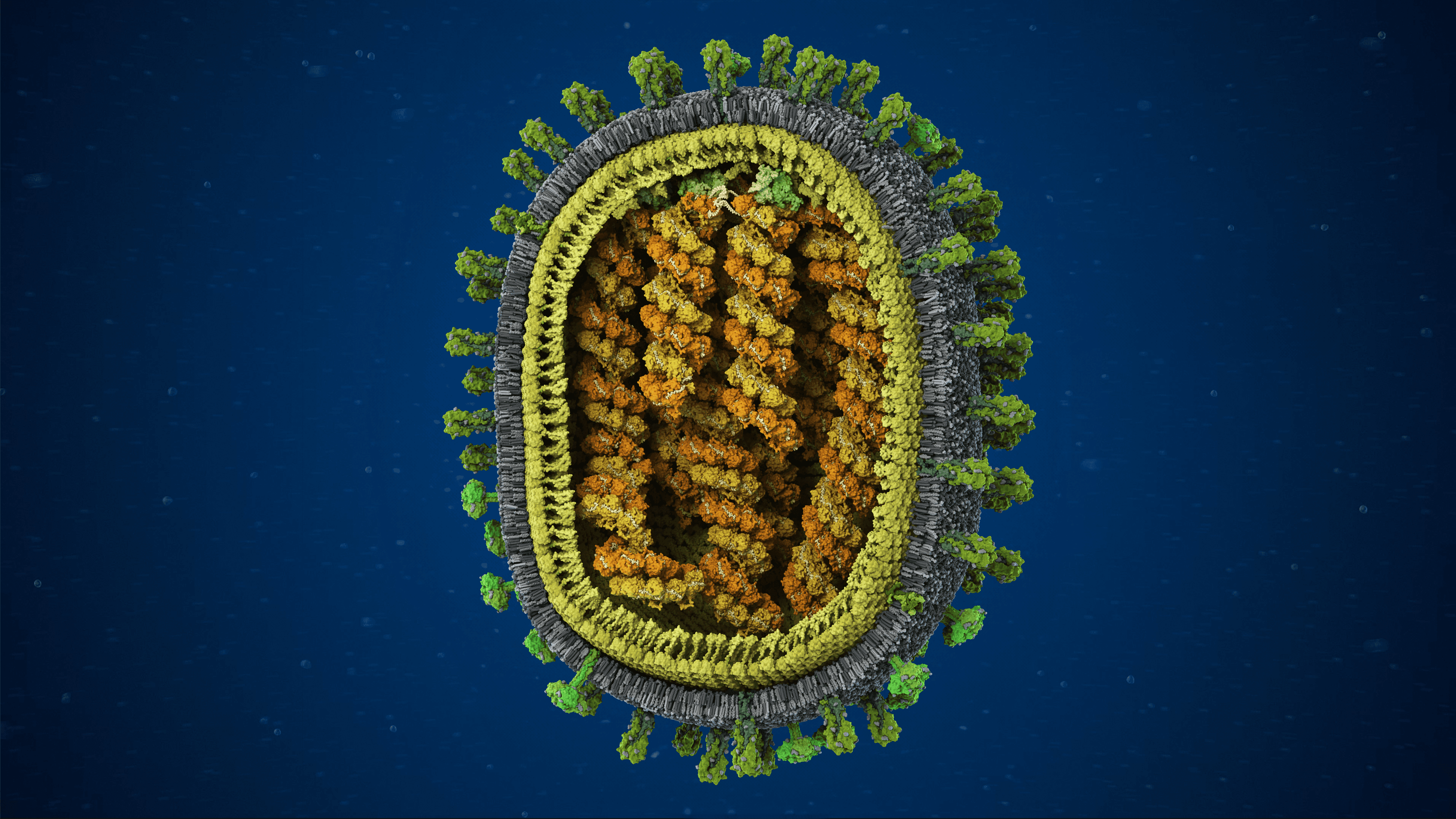
Virus core containing RNA and nucleocapsid protein
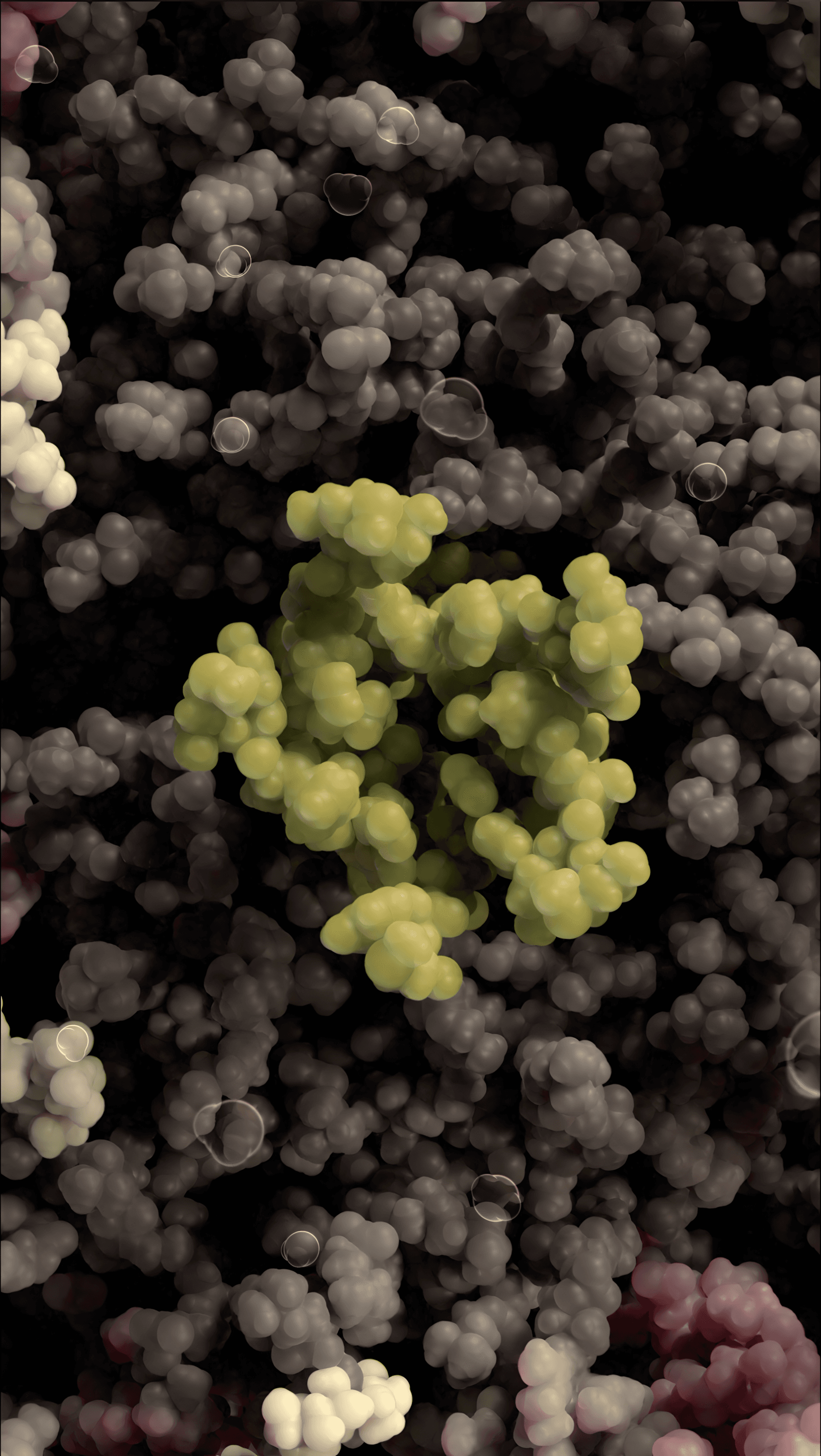
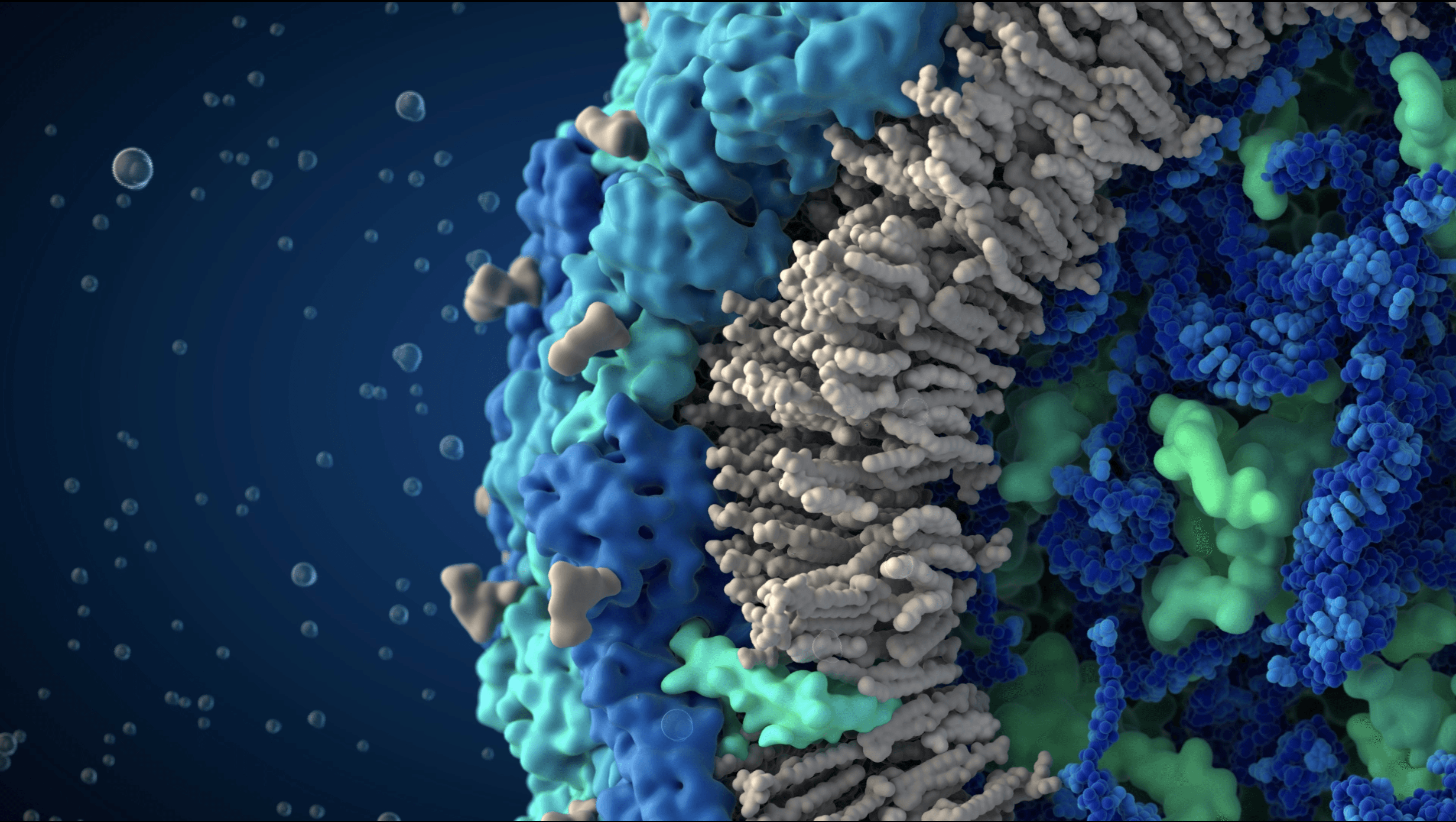
Envelope channel on membrane shell
“In their usual stunning style, the talented animators at Visual Science have created a model of the SARS-CoV-2 virus particle. These gorgeous visuals will enhance our understanding of the virus particle.”


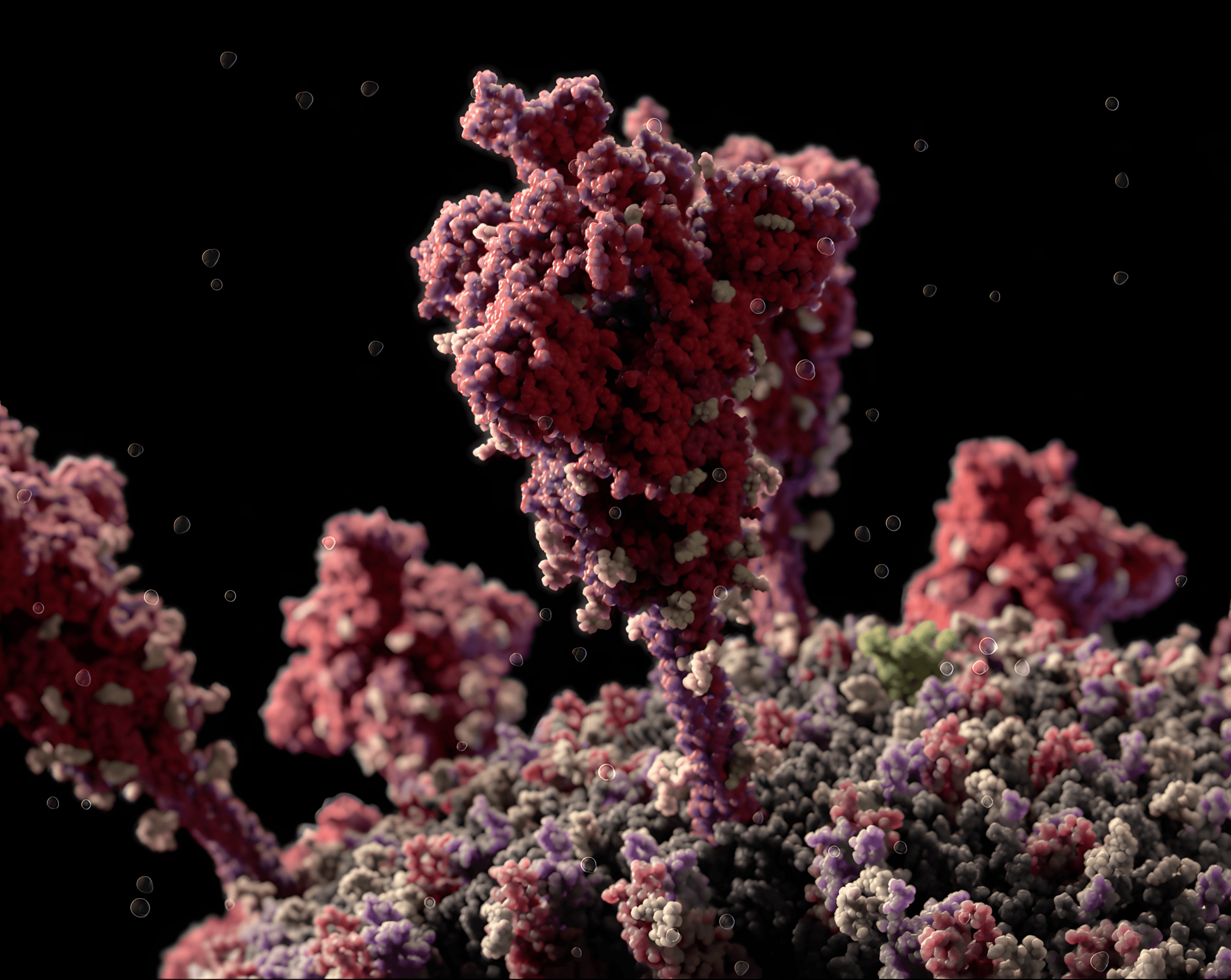
Protein spikes binding to host cell receptor
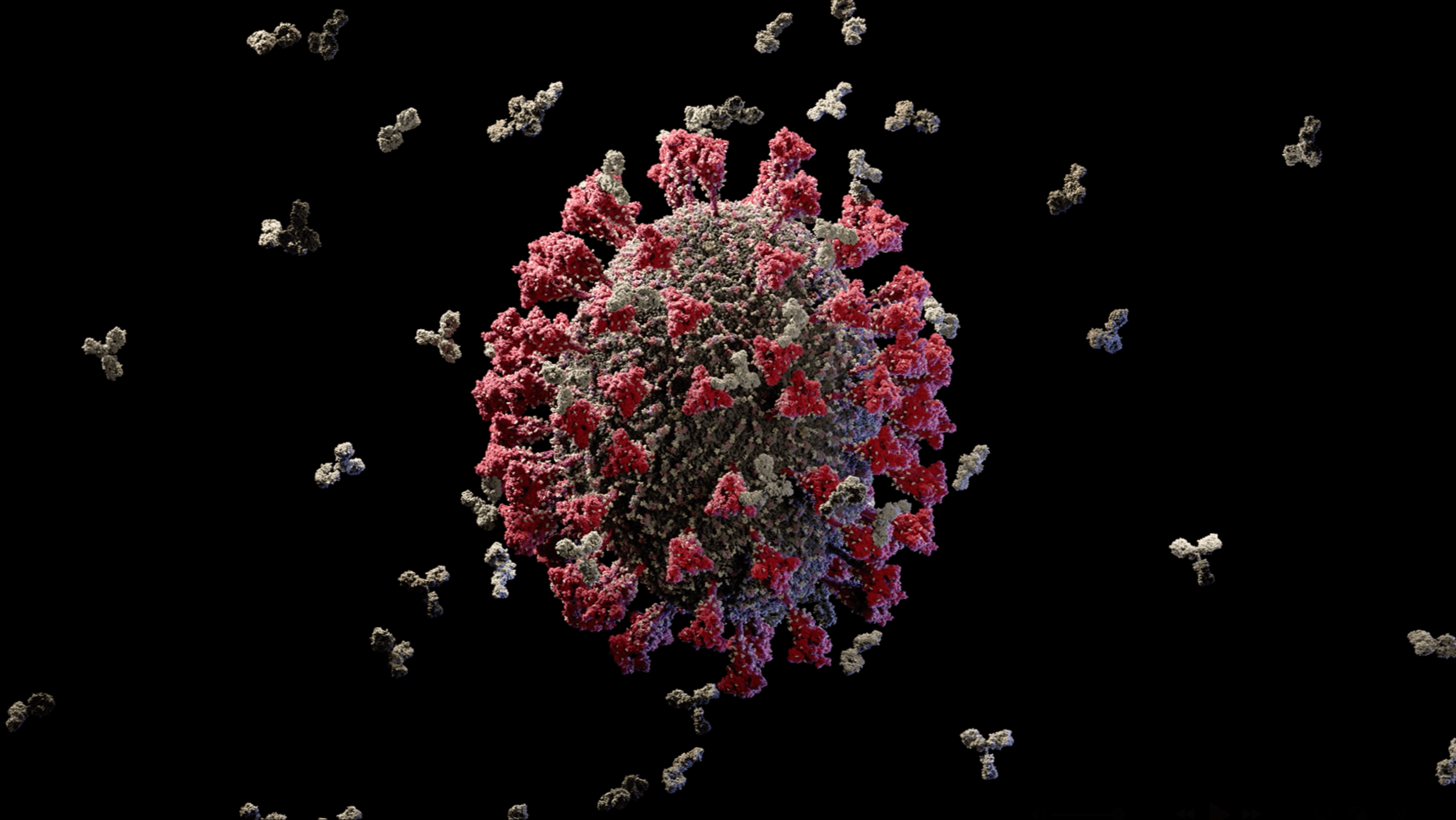
Protective Antibodies on host cell
Find out which of our 26 scientific animation options works best for investor relations and communications:
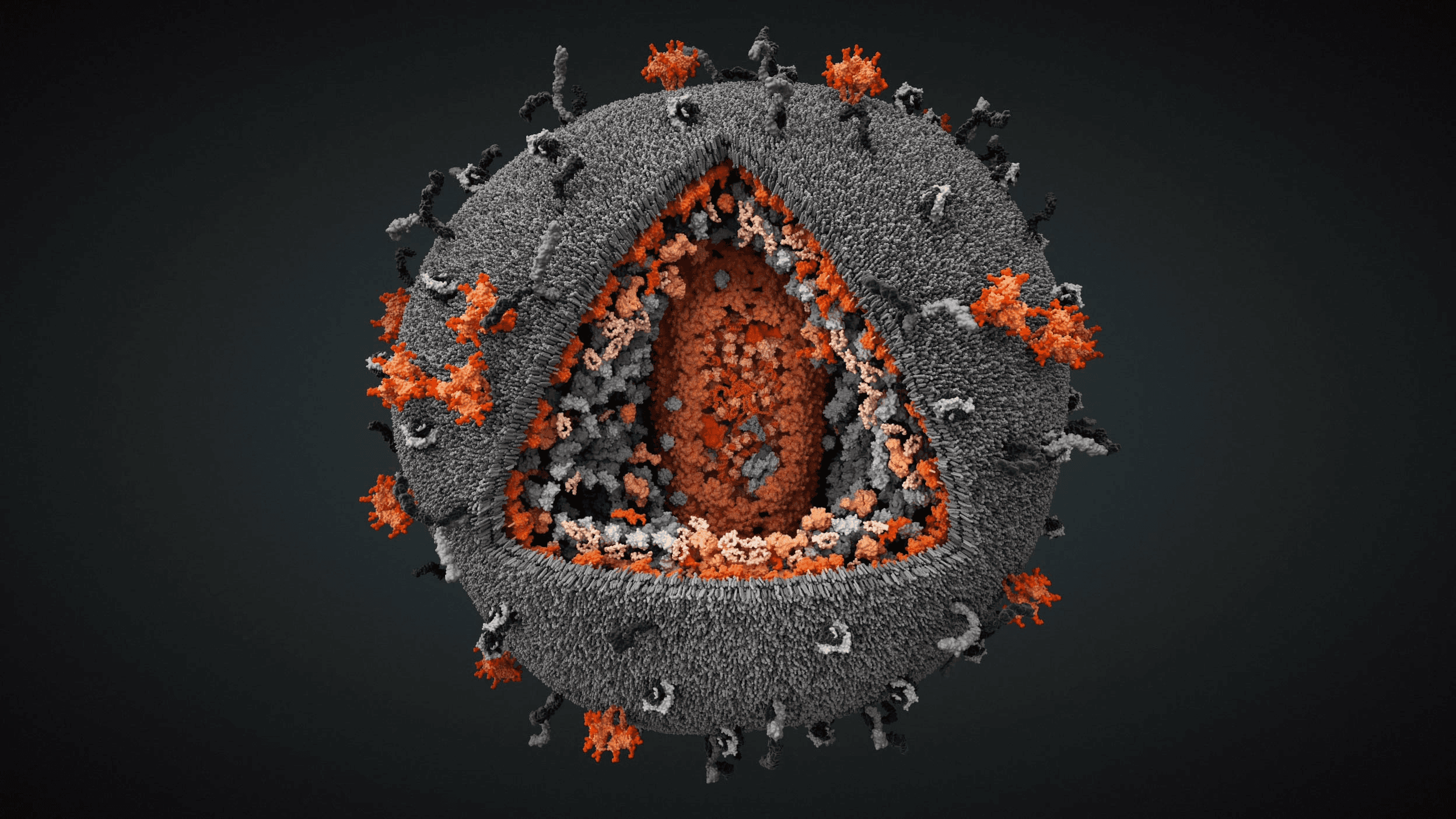
The SARS-CoV-2 model was developed using structural bioinformatics data derived from peer-reviewed scientific research and refined with input from expert virologists. Protein structures, lipid membranes, and host-derived components were integrated into a single, coherent viral particle model at atomic resolution, with all elements positioned according to known structural and biological constraints.
A consistent visual language was applied across the model, using color coding to distinguish viral proteins encoded by the viral genome from structures acquired from the host cell. This approach ensured clarity while maintaining fidelity to the biological data and supported both scientific interpretation and public understanding.
This project focuses on the highly complex molecular architecture of the SARS-CoV-2 virus, requiring our most advanced modeling approaches and a high-end 3D visualization style. High-end 3D molecular animation was essential to convey correct spatial relationships, scale, and organization of viral components that cannot be effectively communicated through conventional illustration.
Advanced control over geometry, materials, lighting, and camera movement made it possible to explore the viral particle from multiple perspectives while preserving scientific accuracy. Music and sound design were specifically composed for this animation to enhance its emotional impact and support the overall narrative. The visualization was designed to function as a concise and effective scientific narrative, uniting research-grade molecular precision with clear visual storytelling suitable for scientific, educational, and high-profile media use.
The completed SARS-CoV-2 model became a widely used and trusted visual resource for understanding viral structure at the molecular level. As part of Visual Science’s non-commercial Viral Park initiative, the project contributed to broader public and scientific engagement with virology and demonstrated the value of rigorous, high-fidelity molecular visualization for medical & scientific communication services during a global health crisis.